Dubai Property Prices Surge 50% in 5 Years: Is the Real Estate Market Heading Towards a Bubble?

Dubai Property Prices Surge 50% in 5 Years: Is the Real Estate Market Heading Towards a Bubble?

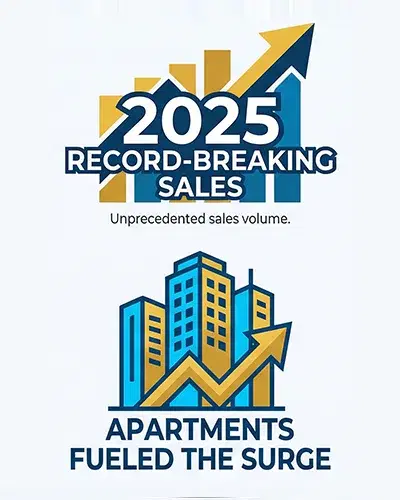
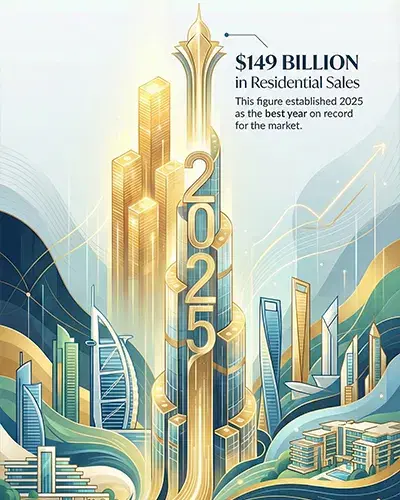
Dubai's real estate market has been experiencing extraordinary growth over the past five years. Many reports indicate that Dubai property prices have increased by nearly 50%, a figure that emphasises the city's status as a global hub for luxury and investment-grade real estate.

This rapid growth has generated excitement among buyers and investors, but it has also raised concerns about the potential bubble risks in Dubai's real estate market. For anyone seeking to invest in Dubai villas, apartments, or luxury mansions, understanding the market dynamics is very crucial.

Understanding the 5-Year Growth Trajectory

The 50% figure is an average across the market, but the performance varies significantly by segment.

  • The Luxury Lead: The premium sector, including luxury apartments in Palm Jumeirah and villas in Emirates Hills, has seen growth exceeding the average, in some cases doubling in value. This is driven by an influx of high-net-worth individuals.
  • Community-Specific Growth: Well-established, family-friendly communities like Arabian Ranches and Dubai Hills Estate have demonstrated robust and steady appreciation, attracting end-users rather than just speculators.
  • The Post-Pandemic Rebound: It's essential to note that this five-year period encompasses the COVID-19 pandemic downturn. The recent growth represents a strong rebound from those lows, followed by a surge fueled by new economic policies.

Why Dubai Property Prices Are Skyrocketing?

Several key factors explain the remarkable surge in Dubai property prices.

1. High Demand from International Investors

Dubai has long been a magnet for foreign property investors because of its strategic location, tax-free policies, and high standards of living. Over the past five years, the influx of expat buyers and global investors has fueled strong demand for residential and luxury properties.

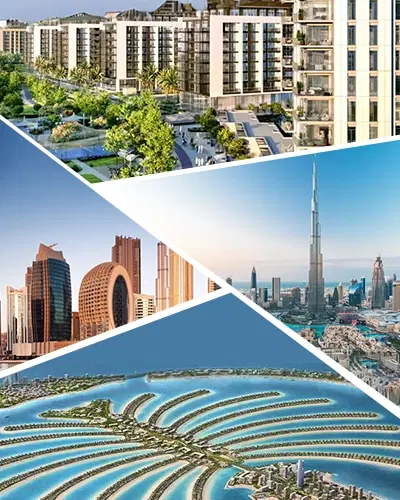
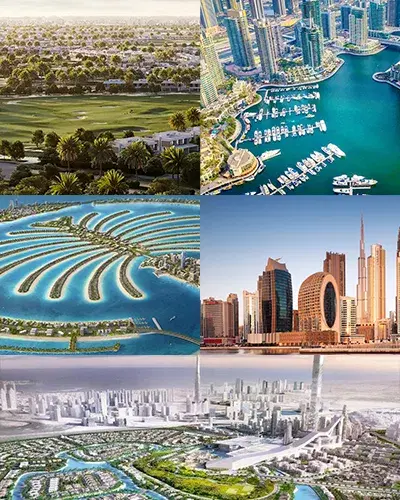
This demand is vigorous in prime communities such as Palm Jumeirah, Emirates Hills, Downtown Dubai, and Dubai Marina, where luxury villas and apartments continue to be highly profitable.

2. Limited Supply in Premium Locations

While demand has increased, supply in some prime neighbourhoods remains constrained. While demand is rising, supply in some prime neighbourhoods is still limited. Few new projects are being launched in high-demand areas, which has pushed up the prices of existing villas, townhouses, and apartments. For example, properties in the Palm Jumeirah have experienced strong price growth because luxury options are in short supply.

3. Attractive Rental Yields

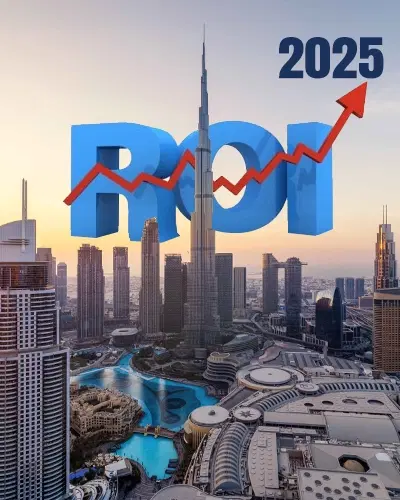
Investors choose Dubai real estate not just for rising property values but also for rental income. Rental yields in Dubai are usually between 5% and 8% annually, make Dubai an attractive alternative to other global cities, where yields are typically lower.

5. Government Initiatives and Regulatory Support

Policies such as long-term residency visas for property buyers and easy ownership rules have made investing in Dubai real estate more secure and reliable. These changes have increased investor confidence in the market.

Latest Projects In Dubai
View All Projects
Emaar Terra Woods at Dubai South

Emaar Terra Woods at Dubai South

1.6 M*
1, 2 & 3 BR
742 - 2,580 Sq. Ft.
Apartments & Townhouses
Binghatti Skyflame at Dubailand

Binghatti Skyflame at Dubailand

0.69 M*
1 & 2 BR
Coming Soon
Studios & Apartments
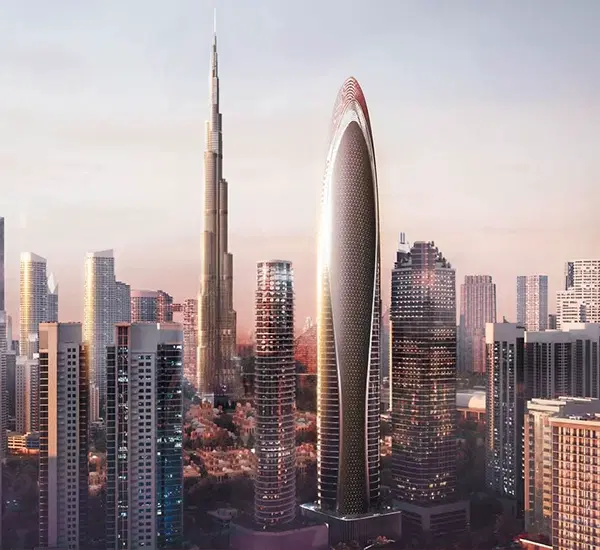
Mercedes-Benz Places Binghatti City at Meydan

Mercedes-Benz Places Binghatti City at Meydan

1.3 M*
1, 2, 3, 4 & 5 BR
361 - 3776 Sq. Ft.
Studios & Apartments
Sobha Sanctuary at Dubailand

Sobha Sanctuary at Dubailand

4.86 M*
4 BR
1,800 Sq. Ft.
Townhouses & Villas
Emaar Serro at The Heights Country Club

Emaar Serro at The Heights Country Club

6.5 M*
3, 4 & 5 BR
3,402 - 5,828 Sq. Ft.
Villas
Emaar Salva at The Heights Country Club & Wellness

Emaar Salva at The Heights Country Club & Wellness

6.5 M*
3, 4 & 5 BR
3,404 - 5,824 Sq. Ft.
Townhouses & Villas

Sustainable Boom: The Case for Continued Strength

Here's why the growth may be sustainable:

  1. Regulatory Reforms and Transparency: The Dubai Land Department (DLD) has implemented strict regulations to restrain speculative flipping. Measures like higher transaction fees, caps on off-plan sales before completion, and robust escrow laws have created a more mature and transparent market.
  2. Economic Fundamentals: Unlike the credit-fueled boom of the past, today's growth is supported by a strong macroeconomic environment. 
  • Population Growth: Dubai's population continues to grow steadily, creating genuine demand for housing.
  • Government Initiatives: Policies such as the Golden Visa, 100% business ownership, and a focus on sectors like technology and finance are attracting long-term residents and investors.
  • Safe-Haven Status: Global instability has positioned Dubai as a secure, tax-efficient hub for global capital.

3.Shift from Speculation to End-User Demand: There is a higher proportion of end-users and long-term investors in the current market compared to the short-term speculators that dominated the previous cycle. This creates a more stable demand base.

Signs of a Potential Real Estate Bubble

While growth is impressive, the rapid price increases can indicate bubble risk in the Dubai property market. Some of the warning signs include:

  1. Rapid Price-to-Income Disconnect: If average property prices continue to rise significantly faster than average incomes, it could signal an affordability crisis, potentially dampening long-term demand.
  2. Excessive Speculative Activity: An indicator of a potential bubble is a surge in off-plan project launches with aggressive payment plans. While regulation has curbed this, it requires constant vigilance.
  3. Global Economic Headwinds: A major global recession or a sharp rise in interest rates worldwide could impact investor sentiment and capital flow into Dubai, slowing down price growth.
  4. High Price-to-Rent Ratios: When property prices rise faster than rental income, the investment may become less profitable, signalling a potential market correction.
  5. Increased Borrowing and Leverage: Easy credit and rising mortgage activity can inflate property prices in an unsustainable manner.

Investment Opportunities Amid Bubble Concerns

Despite potential risks, Dubai remains a lucrative market for savvy investors. 

  1. Focus on Prime Locations: Focus on areas like Downtown Dubai, Dubai Hills Estate, and Palm Jumeirah, where property values have a strong track record of growth.
  2. Consider Rental Yield Potential: Pick properties that can bring in good rental income, so you earn steady cash flow even if prices slow down.
  3. Diversify Your Property Portfolio: Don't put all your money into one area or property type. Pool your resources in apartments, townhouses, and villas to spread risk.
  4. Stay Updated: Keep track of market news, government rules, new projects, and overall economic trends to make smarter decisions.

Final Thoughts

The property prices in Dubai have surged by 50% in the past 5 years, showing the city's international appeal and investment potential. Although there are potential risks, smart investors can still find reliable opportunities for long-term growth.

Whether you are buying a home to live in, renting it out, or keeping it as a long-term investment, it's essential to do proper research, plan carefully, and follow market trends.

Dubai's real estate market remains one of the best choices for investors seeking high returns; however, making careful and well-informed decisions is crucial for mitigating risks.

Share Our Post