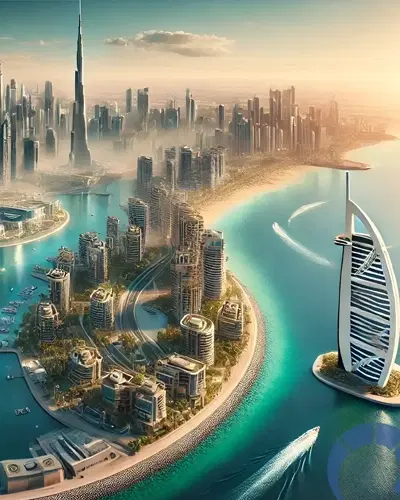
Key Project Announcements
Early 2026 has brought significant news for Dubai skyline, led by the revival of the Dubai Creek Tower project. Emaar Properties has announced it will issue a new tender for the re envisioned concept, signalling renewed momentum for the landmark development. January also saw a number of new project launches, including Sobha Realty's ultra luxury residential tower, The Pinnacle, on Sheikh Zayed Road and a cluster of new developments on Dubai Islands, such as LIV Oceanside and Helvetia Marine, further expanding the city waterfront living options.
Market Maturation and Forecast
Looking ahead, the Dubai real estate market is set to enter a more sustainable phase. Price appreciation is expected to moderate to a mid-single digit range of 5% to 8% in 2026. This change signifies a natural maturation of the market rather than a slowdown. A key factor to monitor will be the market's ability to absorb the projected 70,000 to 85,000 new units.However, with powerful underlying demand fundamentals including a population growing by over 200,000 people annually and a resilient economy projected to grow at 5% the outlook remains positive for a stable and balanced market.
Visit more information: Dubai Housing