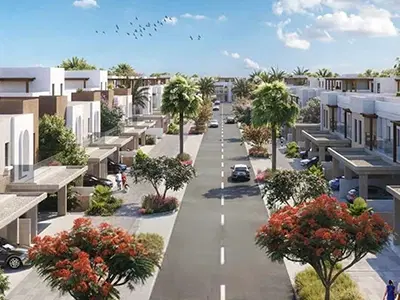
Till now we have described different districts & some facts about Dubai South. But, still, there is a question in your mind - why invest in Dubai South? There are countless reasons to invest here, but we are going to describe some of the best here.
Tremendous Growth Potential
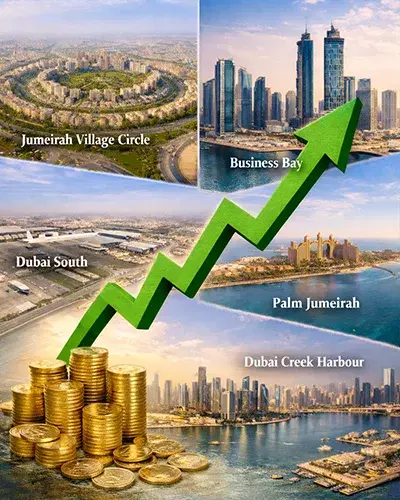
As you know that the masterplan of Dubai South has every ingredient that is required for the tremendous growth of any region. So, expectations from the city region are very high. How we can forget to mention the name behind this outstanding master planning - His Highness Sheikh Mohammed bin Rashid Al Maktoum and his planning of Dubai Plan 2021
Wide Range Of Properties
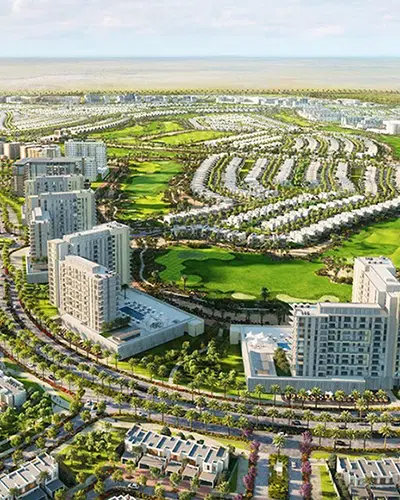
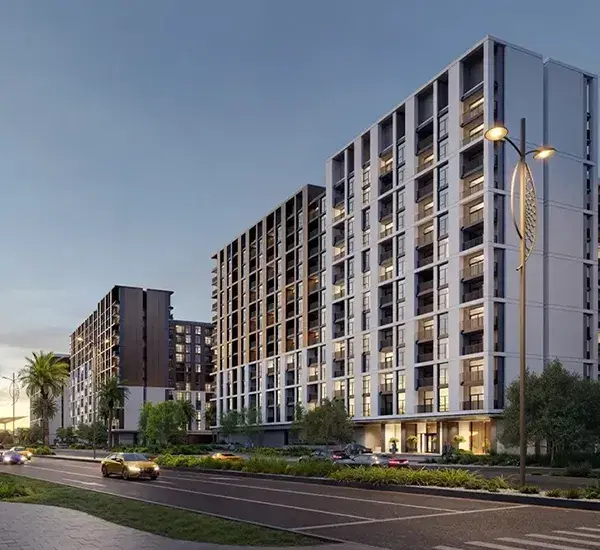
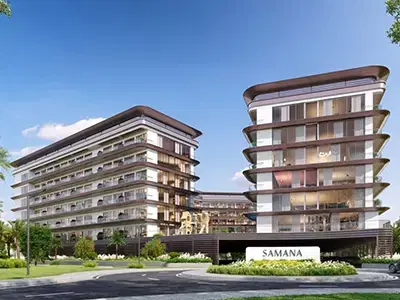
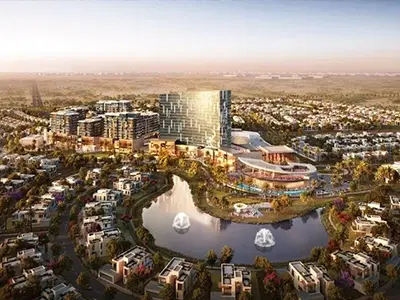
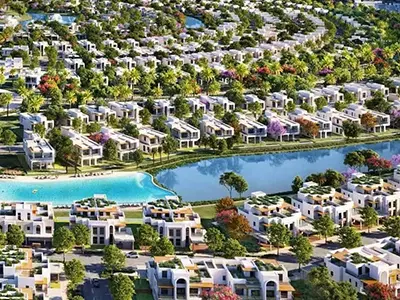
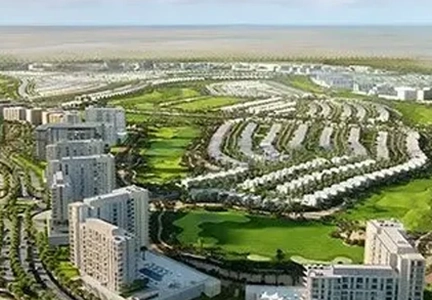
The residential district in Dubai South is positioned adjacent to the Expo 2020 site and spread over 6.7 million sq. km. This district itself is divided into 4 zones.
- The villages- comprise Villas, Townhouses and Apartments
- Parklane - comprises studios, Apartments and Townhouses
- The Pulse - Apartments & Townhouses
- Sakany - comprises approx 1100 spacious rooms in 10 quality buildings for employees
So, at Dubai South, you can find different living options as per your budget and requirements.
Affordable Prices
As you know that residential properties in Dubai are preferred by real estate investors & home buyers from different parts of the world, thanks to affordable price luxury. But if you are looking for affordable then your search ends at Dubai South. Here you can buy or rent any apartment, townhouse or villa at a very affordable price than Downtown Dubai.
Excellent Location
There is a misconception in the mind of many people that Dubai South is positioned away from the Downtown but they are wrong. Dubai South enjoy connectivity from Sheikh Mohammed Bin Zayed Road & Emirates Road and proximity to Dubai Investment Park. As well as, commuting to other areas of Dubai takes only a few minutes.
Transportation And Parking
There are two major things here, first- you don’t need your vehicle here, thanks to the adequate transportation system like the F55 bus service, Red line Metro and taxi services that can take you where you want to commute within Dubai.
Second thing is - if you have your car or cars then parking here won’t be a problem. Every villa, townhouse & apartment here their dedicated parking.


.webp&w=828&q=75)