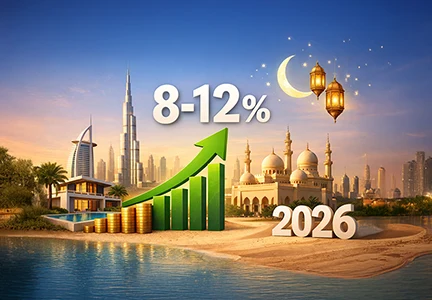
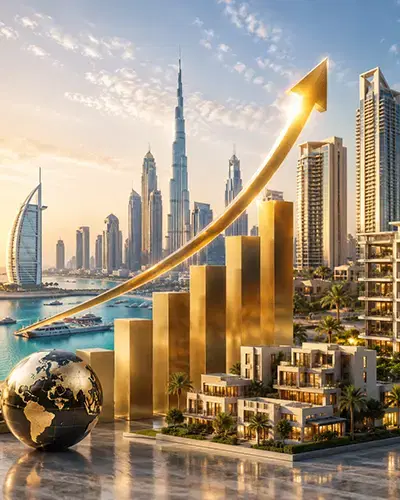
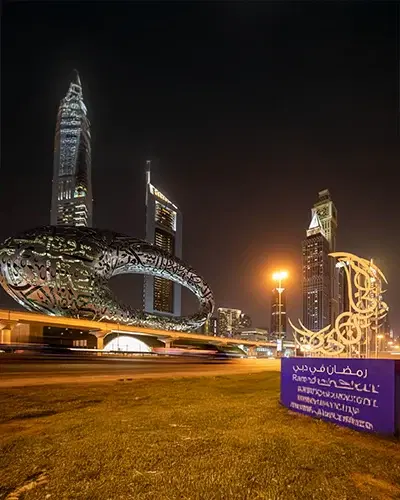
A huge part of the Dubai property growth forecast comes from new technology and better transport. The new metro blue line is a major game changer, making it much easier to travel to places like Dubai Silicon Oasis and Dubai Creek Harbour, which makes those homes more valuable. At the same time, the government is focusing on sustainability and green features, such as solar energy and parks. This is attracting younger buyers who care about the environment and want to live in "Smart Cities."
Even though about 83,000 new homes are being built in 2026, the market is staying balanced. This is because the Dubai property market Ramadan 2026 attracts so many serious investors, these new houses are being filled quickly. Big developers are also being careful not to build too many homes at once, which helps keep prices stable and prevents them from dropping suddenly. Overall, the Dubai property transaction trends show that the city remains one of the safest and most exciting places to invest in the world.
For those looking at Dubai investor demand 2026, the market offers a high sense of security and impressive returns. Rental yields remain among the highest globally, averaging 6% to 9%, with "yield champions" like Jumeirah Village Circle (JVC) achieving returns as high as 9.5%. With the UAE’s economy predicted to grow by 5%, residents feel more confident in their jobs and are increasingly choosing to buy rather than rent. This mix of high rental income and steady Dubai property transaction trends ensures that the Dubai property market in Ramadan 2026 remains a safe and profitable harbour for global capital.
Rise in Property Values During Ramadan
It is a common myth that the market goes to sleep during the holy month. In reality, Dubai property transaction trends show that Ramadan has become one of the busiest times for sales. In 2025, Dubai saw $10.6 billion (AED 39 billion) in sales during Ramadan alone, a 20% increase from the year before.
For 2026, the Dubai property growth forecast suggests that transactions could hit AED 40 billion during the holy month.
There are many factors drive this surge in Dubai investor demand 2026:
- 100% DLD Fee Waivers: Developers like DAMAC often cover the 4% registration fee, saving buyers thousands of dirhams (AED) instantly.
- 0.5% Monthly Payment Plans: New offers from developers like Danube allow buyers to pay just 0.5% monthly, making homeownership cheaper than renting.
- Serious Buyer Pool: With fewer casual "window shoppers," negotiations are faster, and Dubai property transaction trends show deals closing 15% quicker than in other months.
- Post-Iftar Business: Real estate offices and lounges stay open late, hosting "Majlis sessions" where major investment deals are signed in a relaxed, social setting.
- Exclusive Launches: Developers time their most "Instagrammable" projects for Ramadan to capture the attention of high-net-worth tourists visiting the city.
- High Rental Yields: Investors target this period to secure units that offer 7% to 9% ROI, especially in mid-market hubs like JVC and Arjan.
- Furniture Packages: Many Ramadan real estate trends in Dubai include "move-in ready" deals that include luxury furniture for free.
- Golden Visa Path: Investments made during this window often include fast-tracked support for the 10-year Golden Visa, attracting long-term residents.
- Reduced Competition: Smart investors use the quieter daytime hours to visit prime units in Dubai Hills Estate or Palm Jumeirah without the usual crowds.
- Cash Discounts: Some developers offer up to 30% discounts for upfront cash payments during the holy month to hit their quarterly targets.
Which Dubai Property Segments Will See the Highest Growth in Ramadan 2026?
If you are looking for where the most growth will happen, the data points to three specific areas. Understanding these Ramadan real estate trends in Dubai helps investors choose the right spot.
| Property Segment |
Expected Growth Rate |
Why is it growing? |
| Villas & Townhouses |
15% - 17.7% |
High demand from families and a limited supply of large houses. |
| Off-Plan Apartments |
10% - 12% |
Many new projects in “Smart Cities” with flexible payment plans. |
| Waterfront Properties |
12%+ |
Luxury areas like Palm Jumeirah and Dubai Creek Harbour stay popular with global buyers. |
Conclusion
While Ramadan has increasingly become an active period for Dubai's real estate market, property values are influenced by far more than the season alone. Buyer demand, new project launches, interest from international investors, developer incentives, and broader economic conditions all play an important role in shaping prices. In recent years, Ramadan has often coincided with strong transaction activity, but market performance can vary from one year to the next.