Home Improvement in Dubai
Most home improvement advice online assumes you own the place, live somewhere temperate and can knock through a wall on a Saturday. In Dubai, most residents rent, summer runs at forty-plus degrees for four months, and almost any physical modification needs written approval from a landlord, developer or owners' association first. This section covers the version that actually applies here - upgrades that survive the climate, work within tenancy rules, and either cut your running costs or add to what the property is worth.
Smart Home & Automation Dubai adopted smart home tech faster than most cities, partly because remote climate control genuinely matters when you're heading home to a forty-five-degree apartment. Our coverage looks at where the technology is going and what's worth installing: why Matter compatibility is becoming the standard to check before you buy, the rise of smart homes in Dubai, and the latest Google devices for a Dubai home. Most of this category is tenant-friendly - plug-in and wireless kit you can take with you at the end of a lease.
Interior Design & Making Space Work Dubai apartments are often generously sized on paper and awkwardly laid out in practice, with big glazing, open-plan living and limited storage. Our guides cover making a small space look bigger in a Dubai apartment, creating a workspace at home - increasingly relevant as hybrid working sticks - and Dubai's top luxury interior designers if you're commissioning rather than doing it yourself.
Energy Efficiency & Running Costs Cooling dominates a Dubai household's utility bill, and the gap between an efficiently run home and a careless one is significant across a summer. Making your Dubai home eco-friendly covers the practical measures - thermal management, appliance choices, water use - that reduce DEWA and district cooling charges rather than just sounding green.
Home Security Long summer absences are normal here, with families away for weeks. Our guide to protecting a UAE home from theft while you're on vacation covers the preparation that matters, including what to tell building security and what your insurance likely requires.
Seasonal & Festive Dubai's outdoor season and festive calendar shape what's practical when. Indoor Christmas decoration ideas for Dubai homes is written for apartment living rather than for a house with a chimney.
Three constraints shape almost every Dubai home decision.
- Heat and cooling load. Solar gain through large windows is the main driver of a high summer bill. Window film, thermal curtains and blinds usually pay back faster than any appliance upgrade.
- Humidity. Coastal humidity affects timber, leather, some paints and anything stored in an unconditioned space. It's the reason certain finishes that work elsewhere fail here.
- Dust. Fine desert dust reaches everywhere, drives filter maintenance and rules out some open-shelving and textile choices unless you enjoy cleaning.
- Design that ignores these looks good for a season. Design that accounts for them still works in year three.
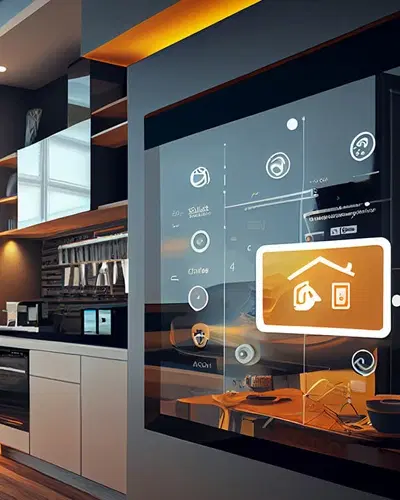

Rise Of Smart Home Technology And Its Impact On The Residential Market
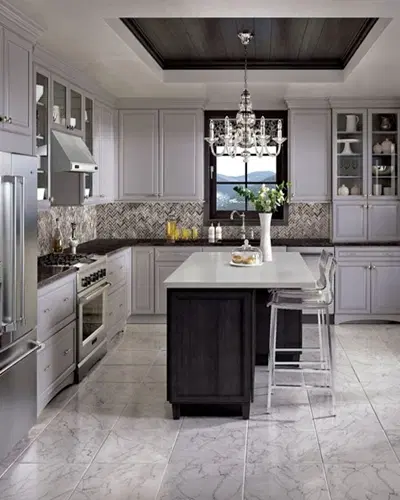
Kitchen Remodeling: Tips For Designing And Renovating Your Dream Kitchen
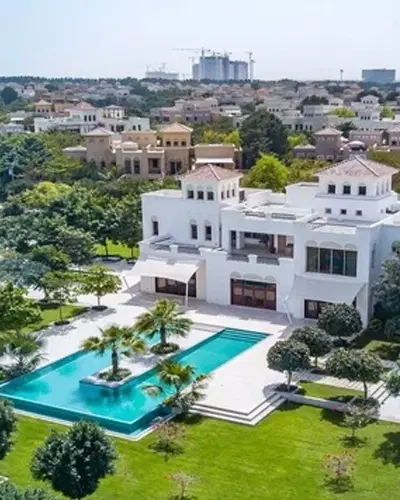
Cost Of Owning A Green Home In Dubai

Future of Home Automation in Dubai
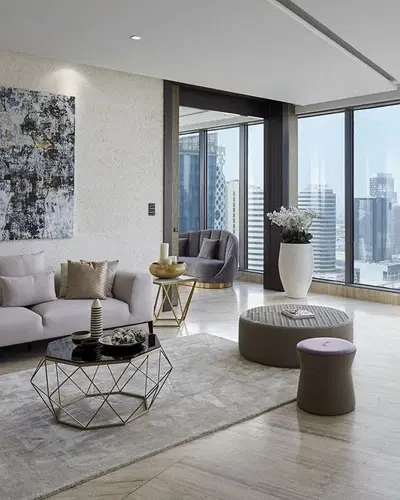
Best Interior Design Styles For Dubai Homes
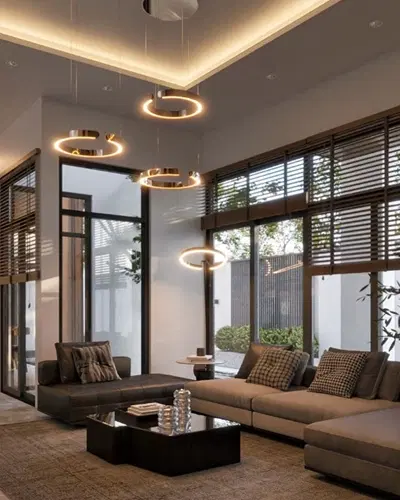
10 Latest Home Decor Trends in Dubai 2023
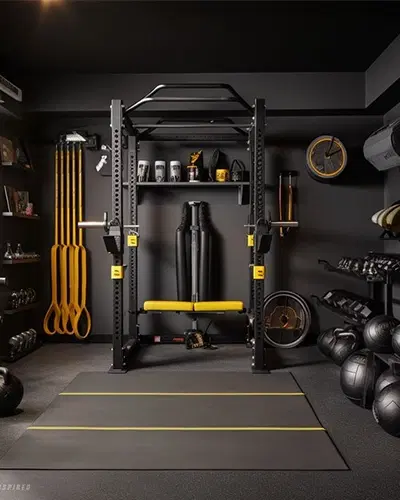
How To Build The Perfect Home Gym In Dubai?
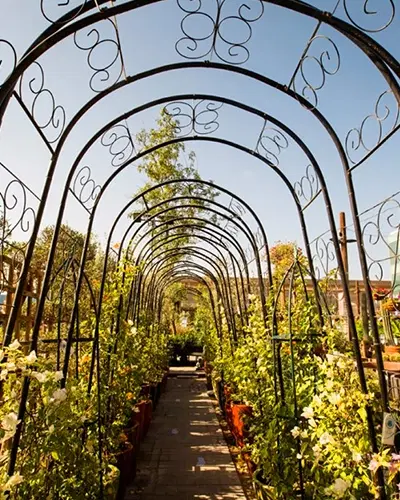
Why You Should Have Indoor Plants In Dubai ?

Tips To Create A Peaceful Home Environment
Frequently Asked Questions
Not structurally without written landlord permission, and most buildings additionally require a No Objection Certificate from the developer or owners' association. Some works also need Dubai Municipality or DEWA approval. Removable, non-invasive upgrades generally don't - but get anything involving drilling or wiring agreed in writing first.
Kitchen and bathroom quality, flooring, and effective cooling and insulation tend to influence buyers most. Highly personalised finishes usually reduce your buyer pool. For rentals, presentation and working appliances matter more than expensive materials.
Cooling is the largest component in summer. Reducing solar gain through window film, thermal curtains or blinds usually delivers the fastest return, alongside sensible thermostat settings, regular AC filter maintenance and efficient appliances. District cooling charges are billed separately from DEWA in many communities.
Wireless and plug-in devices are, since they need no permission and move with you at the end of the lease. Hard-wired switches, thermostats and doorbells usually require landlord consent. Checking for Matter compatibility before buying helps avoid being locked into a single ecosystem.
Usually yes. AC in most Dubai apartments is either central or district cooling and is managed at building level, so changes go through the owners' association or developer rather than the individual owner. Villas have more latitude but may still need municipality approval.
Use a company with a valid Dubai Economy trade licence for the specific activity, ask for completed projects in comparable buildings, and confirm they will handle the NOC process with your building. For fit-outs, check they've worked in your development before - approval processes differ significantly between them.
Regular AC filter changes, sealed storage for anything vulnerable, and finishes chosen for the climate rather than imported from temperate-country design guides. Both dust and humidity are constant here rather than seasonal problems.