What Is The Difference Between Old Dubai And New Dubai?

What Is The Difference Between Old Dubai And New Dubai?

Dubai is a city of contrasts. On one side, you’ll find historic neighbourhoods, traditional markets, and cultural landmarks. On the other, there are skyscrapers, luxury malls, and futuristic communities. This contrast often makes people curious about Old Dubai vs New Dubai and what really sets them apart. Let’s explore the difference between Old Dubai and New Dubai in a simple and easy way.

What Is Old Dubai?

To understand the comparison, it’s important to first know what is Old Dubai. Old Dubai refers to the original parts of the city that existed before the rapid modern development began. Areas like Deira, Bur Dubai, Al Fahidi, and Karama fall under Old Dubai. These neighborhoods are known for their narrow streets, traditional buildings, and strong cultural roots. You’ll find old souks selling gold, spices, textiles, and perfumes.

What Is New Dubai?

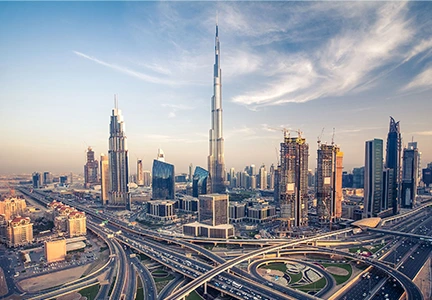
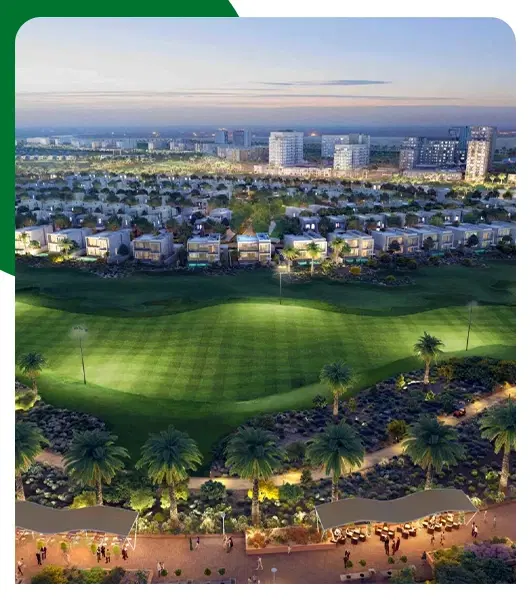
So, what is New Dubai? New Dubai includes the modern areas developed mainly after the year 2000. These areas reflect Dubai’s global image and future vision. Popular New Dubai areas include Dubai Marina, Downtown Dubai, Palm Jumeirah, Jumeirah Beach Residence (JBR), and Business Bay. This side of the city is known for tall skyscrapers, luxury apartments, wide roads, and world-famous attractions like Burj Khalifa. New Dubai offers a modern lifestyle with high-end restaurants, beach clubs, shopping malls, and smart infrastructure.

Old Dubai vs. New Dubai: Which One Fits You?

When you’re looking at neighborhoods in Dubai, the "Old" vs. "New" divide is about more than just age, it’s about a totally different way of life.

The Lifestyle Vibe

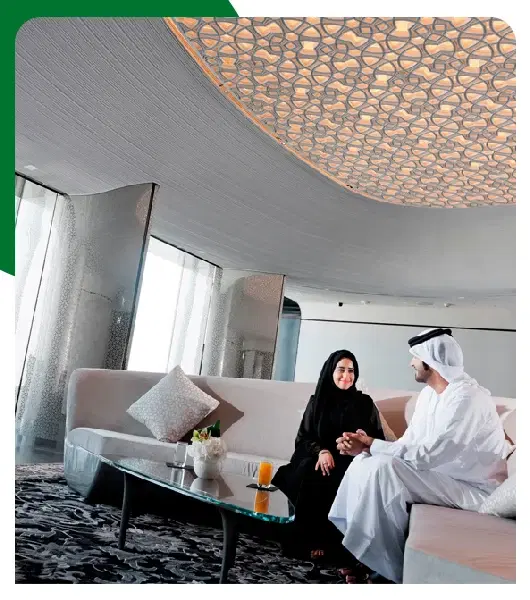
  • Old Dubai (Deira, Bur Dubai, Karama): This is the soul of the city. It’s perfect if you like a traditional, grounded atmosphere. You’ll find busy local markets (souks), incredible street food, and a real sense of community where neighbors actually know each other. It’s much more "walkable" in the sense that your grocery store, pharmacy, and favorite cafeteria are likely just a few steps away.
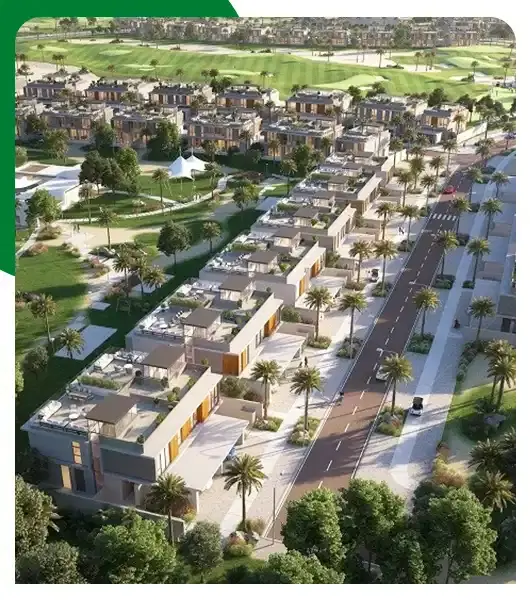
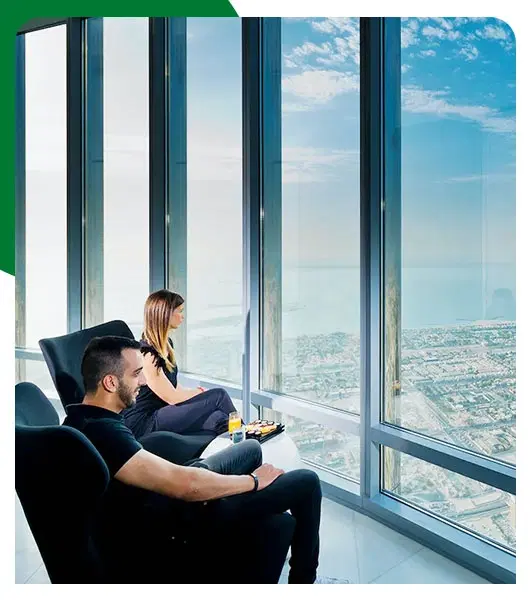
  • New Dubai (Marina, Downtown, JVC, Dubai Hills): This is the Dubai you see on postcards. It’s fast-paced, high-tech, and designed for global living. Everything is sleek, shiny, and modern. If you want infinity pools, rooftop lounges, and skyscrapers right outside your window, this is where you go.

Cost and Convenience

  • Old Dubai is budget-friendly. Your rent will be lower, and your daily expenses—like groceries and dining out, are much cheaper. It’s also much closer to the Dubai International Airport (DXB).
  • New Dubai is premium. You pay more for the luxury. Most apartment buildings here come with built-in gyms and pools as standard. It’s also better connected to the newer business hubs and the Al Maktoum Airport area.

Investment and Tourism: Two Sides of the Coin

If you’re thinking about your wallet, here is how they stack up:

  • For Investors: New Dubai is the "star" for international buyers because the rental demand is massive and the buildings are brand new. However, Old Dubai is a "hidden gem" for steady returns—people always need affordable housing in central locations, so you rarely have to worry about a property sitting empty.
  • For Tourists: Visitors usually do both. They go to Old Dubai for the culture, the museums, and the boat rides on the Creek, then head to New Dubai for the beaches, the Burj Khalifa, and the world-class shopping malls.

In Short

At the end of the day, Old Dubai is where the city’s heart is, reflecting its history and roots. New Dubai is where its future is, focusing on innovation and luxury. Most people find that they need a little bit of both to get the full Dubai experience. Instead of choosing one over the other, many people enjoy experiencing both. Together, Old Dubai and New Dubai show how the city has grown while still respecting its past.

Share Our People Also Ask