How to Protect Your Home in the UAE From Theft: The 2026 Guide

How to Protect Your Home in the UAE From Theft: The 2026 Guide

The UAE is among the safest countries on earth, but vacant homes still draw opportunistic theft during summer and Eid. The measure most residents miss: the Dubai Police and e& 24/7 monitored Smart Home Security system, which verifies an alert before dispatching officers. In 2026, police also warned that your own smart cameras can be hacked (Dubai Police, April 2026). Read this before you travel.

So how do you actually protect a home in the UAE from theft in 2026, beyond the usual advice to lock up and buy a camera? The honest answer is that the strongest tool is one most residents have never registered for: a police-linked, professionally monitored alarm that brings officers to your door while you are abroad. Gadgets alone do not do that.

In advisory work at Honey Money Real Estates, the gap we see most is residents buying a self-monitored camera, then travelling for six weeks. A camera that only pings your phone is useless if you are asleep in another time zone. The 2026 shift is from watching your home yourself to having a verified monitoring centre watch it and escalate to the police for you.

The measures here come from Dubai Police, the Security Industry Regulatory Agency (SIRA), e& UAE, and recent UAE news for 2025 and 2026. Where a figure is an estimate, we say so. Security rules and prices change, so verify before you buy. This is general guidance, not security or legal advice. Read this before you travel.

1. How Big Is the Theft Risk in the UAE, Really

Start with perspective. The UAE ranks among the safest countries in the world, and residential theft is not widespread. Dubai Police have said home thefts are not a major security concern because they are not common. The risk is opportunistic, not organised, and it clusters around one thing: a home that looks empty.

That risk rises during travel season. Ras Al Khaimah Police have run a summer campaign on home protection precisely because burglaries tend to tick up when families travel for the summer, Eid, and the New Year. The pattern is seasonal and behavioural, which means it is largely preventable.

Demand for protection reflects this. Dubai Police reported a 35% jump in registrations for their summer home-security programme in one year (Gulf News). The takeaway: the threat is modest, but it concentrates on unattended homes, so the fix is about removing the signals of absence, especially in standalone villas outside gated communities.

2. The Police-Linked System Most Residents Do Not Know Exists

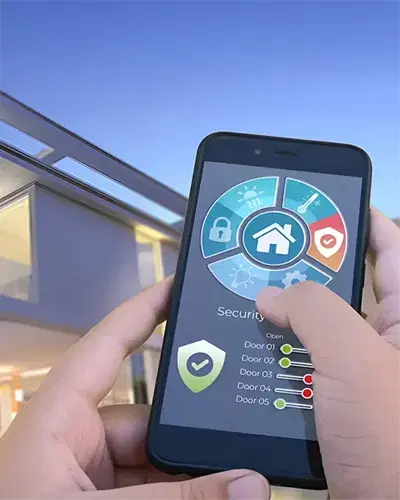
Here is the measure that sets this guide apart. Dubai Police, with e& UAE, run the emirate's only 24/7 monitored Smart Home Security system. It is not a shop-bought camera. It is a professionally monitored alarm that escalates to the police on your behalf while you are away.

The chain matters. When a sensor triggers, the alert goes first to the e& command centre, not straight to your phone. The centre verifies whether it is a real threat or a false alarm, contacts you, and only escalates a genuine emergency to Dubai Police for response. That verification step is what cuts wasted call-outs and gets a real response taken seriously.

How the Dubai Police System Works

Element

Detail

Operated by

Dubai Police with e& UAE

Core devices

Motion detectors, door and window sensors, optional cameras

Alert path

Sensor, then e& command centre verifies, then police

Who can register

Villa owners and tenants in Dubai

Apply via

homesecurity.dubaipolice.gov.ae, using Emirates ID

Add-on

Links to the Hassantuk home fire alarm system

Source: Dubai Police Smart Home Security portal and e& UAE, 2026. The system is armed and disarmed through a mobile app. Verify current package details and pricing on the official portal before registering, as plans and terms change.

The data shows why this beats a self-monitored gadget for travellers. A camera that only pings your phone depends on you being awake and reachable. A monitored system works while you sleep in another time zone. For long absences, this is the single highest-value step.

3. The 2026 Warning: Your Own Cameras Can Be Hacked

This is the freshest and most overlooked risk, and no older guide covers it. In April 2026, Dubai Police warned that the very smart cameras and connected devices residents install for safety can be turned against them. A weak smart device can expose you to hacking, privacy breaches, and cyber extortion.

The logic is uncomfortable but simple. A camera with a default password and old firmware is an open door on your network. Criminals scan for unsecured devices, watch your routine, and learn exactly when your home is empty. Your security tool becomes their surveillance tool.

How to Secure Your Smart Devices, per Dubai Police

  • Change every default password to a strong, unique one on each device.
  • Keep firmware and apps updated, since old software is the main entry point.
  • Switch off indoor cameras when you are home, to protect privacy.
  • Use a separate network for smart devices where your router allows it.

This is non-negotiable due diligence in 2026. Treat camera security as seriously as the lock on your door, and pair it with sensible smart home technology habits rather than plug-and-forget devices.

4. SIRA Rules: Why an Unpermitted Camera Can Be Illegal

Most residents do not know that home security installation in Dubai is regulated. The Security Industry Regulatory Agency, part of Dubai Police, licenses installers and sets the standards. Installing a CCTV or alarm system without the right permit is not just risky, it can be non-compliant.

You do not need a personal SIRA licence, but the company you hire must be SIRA-licensed, and the installation needs a permit and completion certificate. Operating outside this voids your system's compliance. In Abu Dhabi, the equivalent authority is the Monitoring and Control Centre.

SIRA Compliance Checklist

  • Ask the installer for their SIRA licence number and verify it on the SIRA portal.
  • Confirm the permit and completion certificate are part of the quote.
  • Check community rules, since some developments add their own approval step.
  • Avoid quotes far below market, which often signal grey-market cameras or skipped permits.

This is non-negotiable due diligence. A compliant system is also the one that integrates cleanly with police response. Do not accept verbal confirmation that a company is licensed; check the number yourself.

5. Real Costs: What Home Security Actually Runs in 2026

The old price lists floating around are out of date. Here are current 2026 figures, with the cost split into one-time install and ongoing monitoring, which is where buyers underestimate.

Home Security Costs in Dubai, 2026

Item

Typical cost

Source

Entry alarm setup (apartment)

From AED 200

TechBullion, 2026

Full villa CCTV system

AED 3,000 to 15,000+

UAE Contractors Hub, 2025

Professional 24/7 monitoring

AED 150 to 400 per month

UAE Contractors Hub, 2025

Ongoing maintenance

From AED 125 per month

BizzBuzz, 2026

Dubai Police system warranty

5-year cover, free servicing

Dubai Police and e&, 2026

Source: As labelled, 2025 to 2026. Costs vary with property size, camera count, and specification. The Dubai Police system uses monthly payment plans; confirm the current package price on the official portal. Figures are indicative, not quotes.

One environment factor the brochures skip: heat. A smart lock on a west-facing door in direct Dubai sun degrades faster than one in shade, so specify a unit rated for high operating temperatures. The same logic applies to outdoor cameras. This is worth weighing alongside property insurance in Dubai, which covers what hardware cannot.

6. The Mistakes That Make a Home an Easy Target

Most break-ins succeed because the home advertised that it was empty. These are the signals burglars look for, and each one is easy to remove.

  • A dark, unlit property every night, which signals nobody is home.
  • Overflowing mail, flyers, and parcels piling up at the door.
  • Posting live vacation photos or travel dates on social media.
  • Geotagging your home or revealing your return date publicly.
  • A standalone villa with no shared compound security or cameras.
  • Treating cameras, alarms, and locks as separate buys rather than one system.

Beyond the tech, simple habits matter, many of them covered in our home safety tips for families.

The fix is to simulate occupancy and stay quiet online. Timers that switch lights and a TV on and off, a car left in the driveway, and a trusted neighbour collecting post all make a home look lived in. The data shows an occupied-looking home is rarely the one chosen.

7. What to Do the Moment You Suspect a Break-In

If you return or are alerted to a possible break-in, what you do in the first minutes matters for the investigation. Police guidance here is specific and counterintuitive.

Do not walk through the home checking what is missing. Dubai Police advise that you should not stop to inspect your belongings, because moving through the scene can compromise evidence the intruder left behind. Call the police first and let them work the scene.

First-Response Steps

  • Do not enter or touch anything if entry is still possible; the intruder may be inside.
  • Call the police immediately rather than checking your valuables first.
  • Write down the time and any details while they are fresh.
  • List the people who had access to the property for the investigators.

This is non-negotiable due diligence after the fact. The instinct to tidy or take stock is the one that destroys evidence. Preserve the scene and let the response system you set up do its job.

8. Your Before-You-Travel Security Checklist

Run through this before any long absence. Each item removes a signal of an empty home or strengthens your response. This is non-negotiable due diligence.

  • Register for, or arm, the Dubai Police and e& monitored Smart Home Security system.
  • Change default passwords and update firmware on every camera and smart device.
  • Confirm your installer is SIRA-licensed and your system has a valid permit.
  • Set timers so lights, a TV, or a radio switch on and off through the evening.
  • Pause mail and courier subscriptions, or ask a neighbour to collect deliveries.
  • Avoid posting travel dates or live vacation photos until you are back.
  • Set DEWA bills to auto-pay so nothing lapses while you are away.
  • Turn off the gas supply and unplug idle electronics to cut fire risk.
  • Tell a trusted neighbour your dates and leave them an emergency contact.

Disclosures


This guide draws on Dubai Police, the Dubai Police Smart Home Security portal, the Security Industry Regulatory Agency (SIRA), e& UAE, Ras Al Khaimah Police, Gulf News, Khaleej Times, and UAE security-industry sources, for 2025 and 2026. The dataset window is 2024 to mid 2026.

Before buying or installing any system, confirm the installer's SIRA licence on the official portal, verify current Dubai Police package pricing on homesecurity.dubaipolice.gov.ae, and check your community's own rules. In an emergency, always call the police rather than relying solely on an app.

Prices and adoption figures are indicative and move with provider, property, and specification. Estimates are labelled where direct verification was not possible at time of publication. This article is general information, not personal security, legal, or financial advice.

Thinking About Investing in Dubai Property?

Frequently Asked Questions

Is home theft a real concern in the UAE in 2026?

Home theft is a low and declining concern in the UAE, but it is not zero, and it concentrates on homes that look empty during travel season. Dubai Police have described home thefts as not a major security concern because they are not widespread, yet demand for their summer home-security programme rose 35% in a single year (Gulf News). The risk is opportunistic rather than organised, peaking over summer, Eid, and New Year when families travel. So the smart response is seasonal and behavioural, not fearful. Action: focus your effort on the weeks you are away, and remove the visible signals that a home is unattended before you travel.

What is the Dubai Police smart home security system?

It is a 24/7 professionally monitored alarm run by Dubai Police with e& UAE, and it is the emirate's only police-linked home system. Motion detectors and door or window sensors, with optional cameras, feed alerts to an e& command centre. The centre verifies whether an alert is genuine, contacts you, and escalates a real emergency to Dubai Police (Dubai Police, 2026). Both villa owners and tenants can register through homesecurity.dubaipolice.gov.ae using an Emirates ID, and it can link to the Hassantuk fire alarm. This matters because it brings officers to your home while you are abroad, which a self-monitored camera cannot. Action: register and arm the system before any long trip, and confirm the current package price on the official portal.

Do I need a SIRA permit to install a security camera in Dubai?

Yes. All CCTV and alarm installations in Dubai require a permit and completion certificate from the Security Industry Regulatory Agency (SIRA), and only a SIRA-licensed company can apply on your behalf (SIRA and UAE security guidance, 2026). You do not need a personal licence, but using an unlicensed installer voids your system's compliance and can be illegal. In Abu Dhabi, the Monitoring and Control Centre handles this instead. Checking a provider's SIRA number on the official portal takes under a minute and protects you from grey-market equipment. Action: before signing any installation contract, ask for the SIRA licence number, verify it yourself, and confirm the permit is included in the quote.

Can my home security cameras be hacked?

Yes, and Dubai Police issued a specific warning about this in April 2026. Smart cameras and connected devices with weak passwords or outdated firmware can be hacked, exposing residents to privacy breaches and cyber extortion (Dubai Police, April 2026). An unsecured camera can let a criminal watch your routine and learn when your home is empty, turning your security tool into their surveillance tool. The fix is straightforward: strong unique passwords, regular firmware updates, switching off indoor cameras when home, and a separate network for smart devices. Action: before you travel, audit every camera and smart device, change default passwords, and update all firmware, treating it as seriously as locking your door.

What should I do first if my home is broken into?

Call the police first and do not walk through the home checking what is missing. Dubai Police advise that inspecting your belongings can compromise evidence the intruder left behind, so preserving the scene is the priority. If entry is still possible, do not go inside, as the intruder may still be present. Once police are notified, write down the time and details while they are fresh and list everyone who had access to the property, which helps the investigation. Acting calmly in the first minutes protects both your safety and the case. Action: keep the police number saved, and resist the instinct to tidy or take stock until officers have examined the scene.
Kapil Makhijani
Kapil Makhijani
Senior Property Advisor

Kapil Makhijani is a Senior Property Advisor at Honey Money Real Estates (ORN: 28658), with over 6 years specialising in Dubai residential investment and NRI portfolio strategy. His background in... Read More

Share Our Post