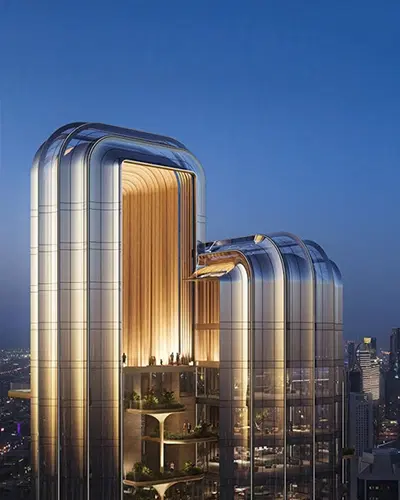
Burj Khalifa Flat Price List 2026: AED, INR and USD Breakdown
Burj Khalifa apartment prices range from AED 1.54M for a studio to AED 85M for a top-floor penthouse (Bayut data, June 2026). Here is the full pricing matrix.
Burj Khalifa Flat Prices 2026
| Unit Type | Price Range (AED) | Price Range (INR) | Price Range (USD) | Typical Size |
|---|---|---|---|---|
| Studio | AED 1.5M - 2.9M | ₹3.5 Cr - 6.7 Cr | $410K - $790K | 450 - 650 sq ft |
| 1 BHK | AED 2M - 3.8M | ₹4.7 Cr - 8.8 Cr | $545K - $1.03M | 750 - 950 sq ft |
| 2 BHK | AED 3.5M - 7.2M | ₹8.1 Cr - 16.7 Cr | $950K - $1.96M | 1,200 - 1,600 sq ft |
| 3 BHK | AED 6M -12M | ₹13.9 Cr - 27.8 Cr | $1.63M - $3.27M | 2,000 - 2,400 sq ft |
| 4 BHK / Penthouse | AED 15M - 60M+ | ₹34.8 Cr - 139 Cr+ | $4.08M - $16.3M+ | 3,500 - 7,000+ sq ft |
| Armani Residences | AED 8M - 55M+ | ₹18.5 Cr - 127 Cr+ | $2.18M - $15M+ | 1,000 - 4,500 sq ft |
Burj Khalifa Flat Prices - 2026 Source: Bayut data, Property Finder data, Emirates.Estate (June 2026). INR at ₹23.2/AED, USD at $0.272/AED (July 2026 approximate). Verify live exchange rate before remittance
Key data point: DLD recorded 115 apartment transactions in Burj Khalifa over the past 12 months at an average transacted price of AED 6,322,375 (DLD records, 2025-2026). The median listing price sits at AED 3,050,000 (Emirates.Estate, June 2026). Year-on-year, average prices have appreciated by 3 to 10% depending on unit type and floor level (Bayut data).