Food And Dining in Dubai
Dubai's restaurant scene is genuinely one of the best in the region, and almost every guide to it is organised the wrong way for residents. Ranked lists of the city's best restaurants are useful once or twice a year. What actually shapes how you eat is what's within ten minutes of your front door - and in a city where a cross-town dinner in August means a thirty-minute drive to a valet queue, proximity matters more than ranking. This section covers Dubai dining by neighbourhood first, cuisine second, and includes the question we get asked more than any other: which areas are best to live in if you care about food.
Dining by Neighbourhood Where you live largely determines where you eat. Top residential areas for food lovers in Dubai is the starting point, and top restaurants in Downtown Dubai shows the format applied to a single district. Downtown and DIFC carry the fine-dining concentration; Marina and JBR the walkable waterfront casual scene; Jumeirah and La Mer the beachside cafés; Al Quoz the warehouse-conversion independents; and Deira, Bur Dubai and Karama the best-value South Asian and Middle Eastern food in the city, by a distance.
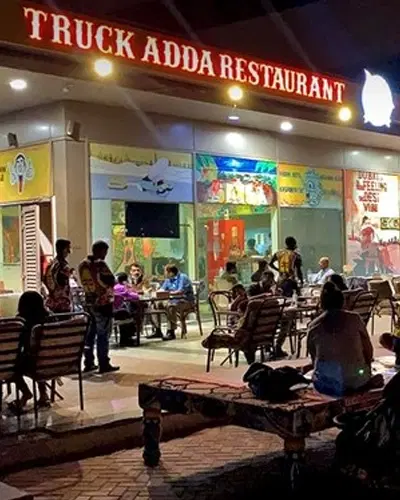
By Cuisine Dubai's population makes it one of the most diverse food cities anywhere. See our guides to Pakistani restaurants, Goan restaurants, French restaurants and the broader top 10 restaurants in Dubai.
Rooftops, Views and Occasions For the meals where the setting is the point. Best rooftop restaurants in Dubai covers the venues worth the premium - and which months they're actually pleasant.
Seasonal & Ramadan Dubai's dining calendar is genuinely seasonal. Our 10 best outdoor iftars in Dubai covers a Ramadan falling in the cooler months, when outdoor iftar is at its best. Also Dubai's top locations for turkey takeout at Christmas for anyone hosting without an oven big enough.
The part food publications don't cover.
Walkable food is a real rental factor. Buildings with a decent café, supermarket and two or three restaurants at ground level or within a few minutes' walk let faster and hold tenants longer. For four months a year, "walking distance" is the difference between using a place and never using it.
Ground-floor F&B cuts both ways. A well-run café below your building is an amenity. A late-opening shisha lounge or a busy delivery-kitchen operation is noise, smells and permanent valet congestion. Always visit an apartment in the evening, not just at 11am on a viewing appointment.
Delivery coverage isn't uniform. Dubai's delivery culture is extensive but not even. Newer outer
communities frequently have thin restaurant coverage in the early years, with long waits and limited choice. If you order in several times a week, check the actual app coverage for a specific building before signing.
Community retail matters more than destination dining. Buyers overvalue proximity to Downtown's Michelin-listed restaurants and undervalue having a good bakery, café and grocery inside their own community. The second one is what you use four times a week for the next three years.
- Alcohol is served in licensed venues - hotels and a growing number of standalone licensed restaurants. Unlicensed independents are often the better food at a fraction of the price, particularly across Deira, Karama and Al Quoz.
- Ramadan changes everything for a month. Daytime service is adjusted, and evenings run late with iftar after sunset and suhoor into the small hours. It's one of the best times of year to eat in Dubai if you adjust your schedule.
- Weekend brunch is an institution, now typically Saturday since the UAE weekend shifted. Book well ahead for the popular ones.
- Reservations matter more than you'd expect at the top end, particularly in DIFC and Downtown from October through April.
- Michelin has covered Dubai since 2022, which has raised the fine-dining ceiling considerably and is worth knowing if you're using stars as a filter.
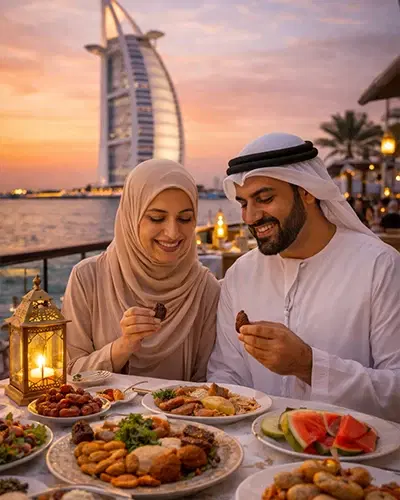

10 Best Outdoor Iftars in Dubai 2026: A Winter Ramadan Guide
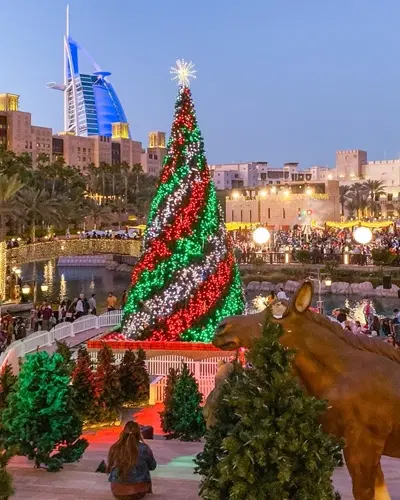

Dubai's Top Locations For Turkey Takeout For Christmas
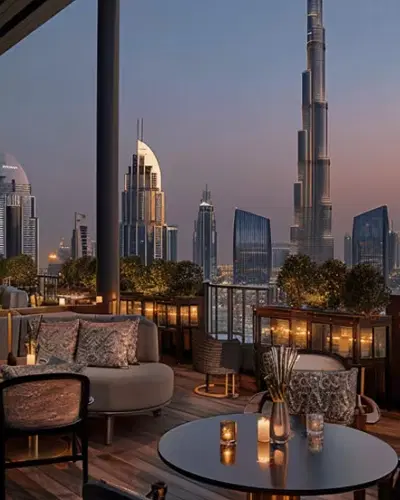
Best Rooftop Restaurants In Dubai
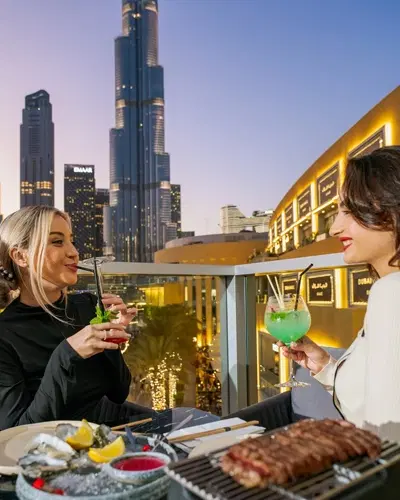
Top Residential Areas For Food Lovers In Dubai
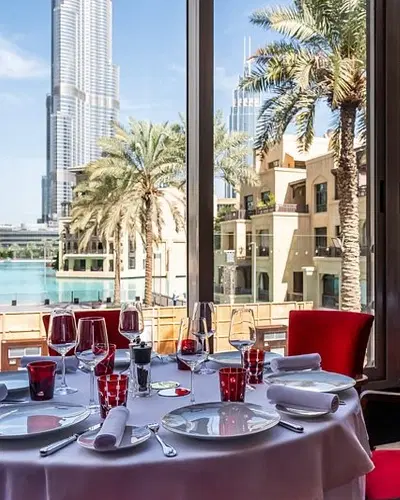
French Restaurants In Dubai
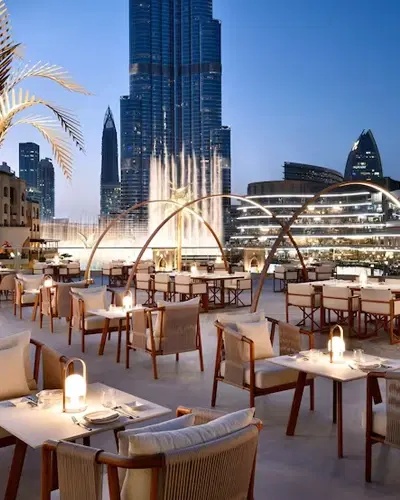
Top Restaurants In Downtown Dubai
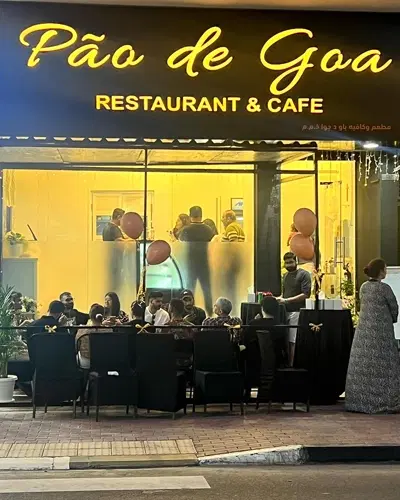
10 Best Goan Restaurants In Dubai
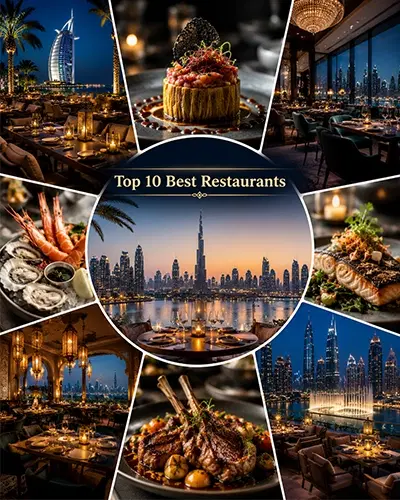
Top 10 Best Restaurants In Dubai

Top 10 Best Pakistani Restaurants In Dubai
Frequently Asked Questions
Downtown Dubai and DIFC for fine dining, Dubai Marina and JBR for walkable waterfront casual, Jumeirah and La Mer for beachside cafés, Al Quoz for independent warehouse-conversion venues, and Deira, Bur Dubai and Karama for the best-value South Asian and Middle Eastern food in the city.
Dubai Marina, JBR, Downtown Dubai, Business Bay and JLT combine density with walkability. Villa communities generally require driving, though several - Dubai Hills Estate and Arabian Ranches among them - have decent community retail clusters.
In licensed venues, which includes hotel restaurants and an increasing number of standalone licensed establishments. Many excellent independent restaurants are unlicensed, and are often better value as a result.
Daytime service is adjusted during fasting hours, and evenings extend late with iftar after sunset and suhoor into the early hours. Many venues run special iftar menus, and outdoor iftar is particularly good when Ramadan falls in the cooler months.
For popular venues in DIFC, Downtown and on rooftops, yes - especially between October and April and for weekend brunch. Casual and independent restaurants usually don't require it.
Yes. The Michelin Guide has covered Dubai since 2022, and the city now holds multiple starred restaurants across a range of cuisines.
Extensive in established areas, with major delivery platforms covering most of the city. Coverage is thinner in newer outer communities, so if you order in frequently, check actual availability for a specific building rather than assuming citywide service.
For many people, yes - walkable food access supports both quality of life and rental demand. The practical advice is to weight community-level retail (a good café, bakery and grocery nearby) above proximity to destination restaurants across town.