What Is The History Of Jebel Ali Village?

What Is The History Of Jebel Ali Village?

Dubai is a city that rarely pauses to look back, but beneath its gleaming skyline, there are neighbourhoods that quietly tell the real story of how the city was built. Jebel Ali Village is one of them. Originally constructed in the late 1970s to house workers and engineers behind the iconic Jebel Ali Port, it became one of Dubai's first planned residential communities. Unlike most developments of that era, it was built around a garden city concept, with spacious villas, tree-lined streets and a strong focus on quality of life. For decades, it was home to generations of expatriate families who built tight-knit bonds and made it far more than just a housing project. Today, with Nakheel leading a complete redevelopment, Jebel Ali Village is beginning a new chapter, one that honours its rich legacy while embracing the future.

Over the years, this simple workers’ community has gone through multiple phases, from a construction housing area to a family-friendly neighborhood and now to a luxury residential development. Today, Jebel Ali Village is being redeveloped with modern villas, green landscapes and high-end infrastructure, making it attractive for both residents and investors.

Jebel Ali Village shows the real journey of Dubai’s transformation, from a small trading center to a strong economic hub. Located along the beautiful coastline of Dubai, this area was once a quiet and simple community. Today, it stands as a symbol of how the city has grown while still keeping its history alive. Even though Dubai is now famous for its skyscrapers, luxury hotels and busy city life, Jebel Ali Village offers something different. It reflects the past, culture and early planning of Dubai, making it feel unique compared to newer developments. Over the years, it has changed a lot, from a peaceful village to a modern residential community where tradition and modern living come together.

Another advantage of Jebel Ali Village is its convenient location. It is well connected to major areas through Sheikh Zayed Road and is close to popular places like Ibn Battuta Mall. This makes daily travel and access to key attractions very easy for residents. The community is also designed to offer a comfortable and high-quality lifestyle. It includes green parks, walking areas, playgrounds for children, water features and even spaces like vegetable gardens. Along with this, residents can enjoy swimming pools, sports facilities and other modern amenities that support a healthy and active lifestyle. Jebel Ali Village's journey from a purpose-built workers' settlement in the 1970s to a fully redeveloped modern community mirrors Dubai's own transformation. What makes it stand out is not just its history, but the intention behind its rebirth: a community that preserves its identity while meeting the demands of contemporary living. For anyone considering a home or investment in Dubai's expanding southern belt, Jebel Ali Village is an address that carries both meaning and momentum.

The Origin of Jebel Ali Village (1970s)

A Vision That Started It All

The story of Jebel Ali Village began in the 1970s, when Dubai was still in its early stages of development. At that time, the city was not the global hub we see today. It was growing slowly, with a strong focus on trade and infrastructure. Dubai’s leadership had a long-term vision to make the city a major global trading center. One of the biggest steps in this direction was the construction of Jebel Ali Port, which officially opened in 1979. This port later became one of the largest man-made harbors in the world. To support such a large project, thousands of workers, engineers and foreign professionals were brought to Dubai. Since the Jebel Ali area was far from the main city, there was a strong need to create a dedicated residential space for these people. This is how Jebel Ali Village was born, not just as housing, but as a planned community built with a purpose.

Why Jebel Ali Village Was Built

Jebel Ali Village was designed to provide comfortable living for people working on major industrial projects. It was not just temporary housing, it was meant to be a complete community. It was built to serve:

  • Engineers and technical experts working on the port
  • Construction workers involved in infrastructure projects
  • Foreign professionals who needed long-term housing

Since the area was isolated at that time, the village was designed to be self-sufficient. Residents did not need to travel far for basic needs. This made Jebel Ali Village one of the first examples of organized community living in Dubai.

Key Features in the Early Days:

  • Simple but well-planned villas
  • Open green areas for relaxation
  • Community centers for social life
  • Basic recreational facilities

A Unique “Garden City” Concept

Jebel Ali Village was developed using a concept that was very advanced for its time, the garden city model. This idea focused on creating a balance between nature and urban living. This was very different from the rest of Dubai in the 1970s, where most areas were still developing and lacked proper planning. Instead of crowded buildings, the village was designed with:

  • Wide internal roads
  • Spacious villas
  • Plenty of greenery
  • Open parks and walking areas

Why It Was Unique Back Then

At a time when Dubai had limited residential options, Jebel Ali Village stood out for many reasons. Firstly, it offered a peaceful environment away from the busy city. Secondly, it focused on quality of life, not just basic housing. Families could enjoy outdoor spaces, fresh air and a calm lifestyle. Another important point was that it was one of the first communities designed for expatriates. Many foreign professionals preferred living here because it felt more organized and comfortable. In many ways, Jebel Ali Village became a model for future residential communities in Dubai, especially those focused on villas and greenery.


Transition from Worker Housing to Family Community

Growth in the 1980s and 1990s

As Dubai’s economy started growing rapidly in the 1980s and 1990s, Jebel Ali Village also began to change. It was no longer just a place for workers, it slowly became a full residential community. The development of the Jebel Ali Free Zone (JAFZA) in 1985 played a big role in this transformation. This free zone attracted international companies, which increased job opportunities in the area. As more professionals moved to Dubai for long-term work, the demand for family housing increased. Jebel Ali Village naturally became a preferred choice because it already had a strong residential setup.

Lifestyle Improvements

With this transition, the village started offering more facilities for families. Over time, it developed into a well-rounded community with everything needed for daily life. This made life easier for residents and helped create a more stable and comfortable environment. New additions included:

  • Schools for children
  • Religious centers for different communities
  • Sports and recreation facilities
  • Improved roads and infrastructure

A Strong Community Identity

One of the biggest strengths of Jebel Ali Village was its strong sense of community. Unlike modern high-rise areas, where people often live privately, this village encouraged social interaction. Residents knew each other, children played together and families participated in community events. This created a friendly and welcoming atmosphere. The Jebel Ali Recreation Club became an important part of daily life. Because many residents lived here for years, the bonds became very strong. For many people, Jebel Ali Village was not just a place to live, it felt like home. It offered:

  • Sports activities like tennis and swimming
  • Social events and gatherings
  • Spaces for families to relax and connect

Challenges and Redevelopment Plans

Early Redevelopment Ideas (2000s)

As Dubai continued to grow and modernize, newer residential areas started offering more advanced facilities and modern designs. Compared to these, Jebel Ali Village began to look outdated. Although it still had strong community value, the infrastructure and housing needed upgrades to match modern standards. In the late 2000s, there were discussions about redeveloping the village into a more modern community. However, these plans were delayed due to the global financial crisis in 2008.

Renovation Phase (2013)

Instead of full redevelopment, a renovation plan was introduced around 2013. The existing villas were upgraded and improved to extend their usability. These changes helped maintain the community for a few more years, but it was clear that a complete redevelopment would eventually be needed. This included:

  • Structural repairs
  • Interior upgrades
  • Improved utilities and services

End of the Old Village

After more than four decades, a major decision was made to redevelop Jebel Ali Village completely. In 2021, residents were informed that the area would be cleared for a new project. This was an emotional moment for many families who had lived there for years. By 2022, most of the original buildings were demolished. This marked the end of one of Dubai’s oldest and most loved residential communities. Although the physical structures were removed, the legacy and memories of the village still remain strong among former residents.

The New Jebel Ali Village

A Modern Transformation

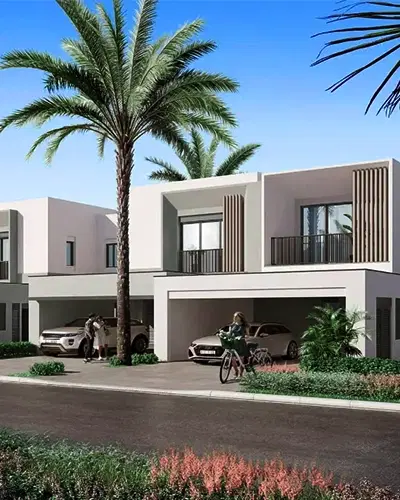
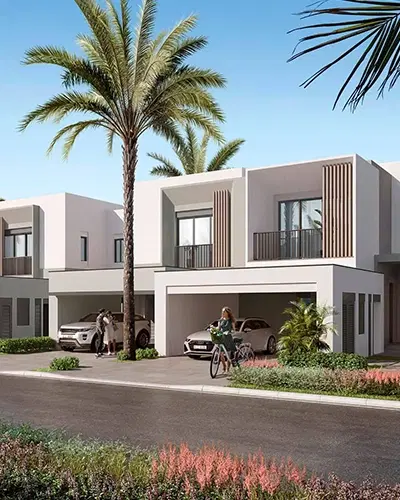
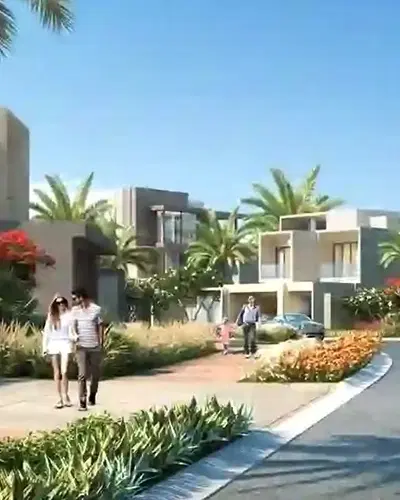
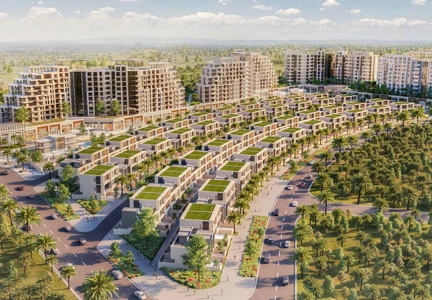
The redevelopment of Jebel Ali Village is designed to bring back its original charm while adding modern features. The goal is not just to rebuild, but to improve the overall living experience. The new project focuses on:

  • Better infrastructure
  • Modern architecture
  • Sustainable living
  • Strong community planning

Key Highlights of the New Development

The new Jebel Ali Village is spread across a large area and is divided into different residential clusters. Each cluster is carefully planned to provide privacy, comfort and easy access to amenities. Homes in the new development include:

  • Modern villas with spacious layouts
  • Stylish townhouses with smart designs
  • Landscaped surroundings with greenery

Planned Amenities:

Residents will have access to a wide range of facilities, such as:

  • Parks and green open spaces
  • Jogging and cycling tracks
  • Swimming pools and fitness areas
  • Sports courts and play areas
  • Community centers and retail outlets

Investment Potential of Jebel Ali Village

Why Investors Are Interested

1. Redevelopment Opportunity

Since Jebel Ali Village is being completely redeveloped, it offers a fresh opportunity for investors to enter early. Early investments often lead to better returns over time.

2. High Rental Demand

The area is close to major employment hubs like JAFZA and Dubai South. This creates strong demand for rental properties, especially from working professionals.

3. Limited Supply

Most modern developments in Dubai focus on high-rise apartments. Jebel Ali Village, however, offers villas and townhouses, which are limited in supply. This increases their value.

4. Future Growth Areas Nearby

The surrounding areas are developing quickly, with projects like Expo City and logistics hubs. This ensures long-term growth and appreciation in property value.

What Makes Jebel Ali Village Unique

1. One of the Oldest Communities in Dubai

Jebel Ali Village is one of the oldest residential areas in Dubai, with roots going back to the late 1970s. It was built during a time when Dubai was just starting to grow into a global city. Because of this, it holds strong historical value and reflects the early vision of planned community living in Dubai. Even today, its legacy makes it special compared to newer developments.

2. Garden City Design

The village was designed using a garden city concept, which focuses on open spaces and greenery. Instead of crowded buildings, it offers wide roads, landscaped areas and plenty of trees and parks. This design creates a peaceful and refreshing environment for residents. Even in the new development, this idea is being continued, making it ideal for people who prefer a calm and green lifestyle.

3. Strong Community Culture

Jebel Ali Village has always been known for its close-knit community. In the past, residents shared strong bonds and families often lived there for many years. The redevelopment is also planned in a way that encourages social interaction, with shared spaces, parks and community areas. This helps bring back the same friendly and connected living experience.

4. Blend of Old and New

One of the most unique features of Jebel Ali Village is how it combines its rich history with modern living. While the old structures have been replaced, the idea and identity of the community are still preserved. At the same time, new homes come with modern designs, better layouts and updated amenities. This mix of tradition and innovation makes it very attractive.

5. Focus on Family Living

The entire development is designed keeping families in mind. It offers spacious homes, safe surroundings and access to parks, schools and recreational areas. The environment is quiet and comfortable, which makes it perfect for long-term living. Whether it is for raising children or enjoying a peaceful lifestyle, Jebel Ali Village is well suited for families.

Share Our Post

Frequently Asked Questions

When was Jebel Ali Village first built ?

Jebel Ali Village was originally built around 1977 to house workers involved in the construction of Jebel Ali Port.

Why was Jebel Ali Village important ?

It played a key role in supporting Dubai’s industrial growth and became one of the first planned residential communities in the city.

What happened to the old Jebel Ali Village ?

The old village was demolished in 2022 to make way for a new modern redevelopment.

Who is developing the new Jebel Ali Village ?

The redevelopment is being carried out by Nakheel, one of Dubai’s leading real estate developers.

Is Jebel Ali Village a good investment ?

Yes, due to its strategic location, limited supply, and redevelopment potential, it is considered a strong investment option in Dubai.