1. The Core Concept: Why Sobha's Backward Integration Is the Real Moat
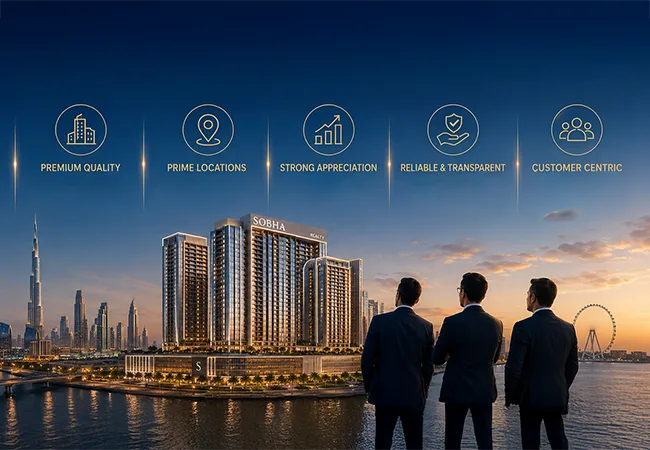
Sobha Realty's competitive moat is structural, not marketing. The company runs a backward integration model that owns approximately 62% of the construction cost base through in-house divisions for interiors, glazing, concrete, MEP, woodwork, metal work, and epoxy flooring.
This matters operationally. Managing director Francis Alfred told AGBI in April 2026 that the model lets Sobha Realty withstand cost pressure from regional supply shocks because the company is not negotiating with external sub-contractors squeezing margin. Where other developers depend on the lowest-price-wins procurement model that drove the Arabtec collapse in 2022, Sobha controls quality and cost simultaneously.
The 30-Year Zero-Abandonment Record
Sobha Limited (the BSE/NSE-listed Indian parent group company) has delivered 148 million square feet across 600+ projects with zero project abandonment in 30 years (NxtFootstep builder profile 2026, citing BSE filings).
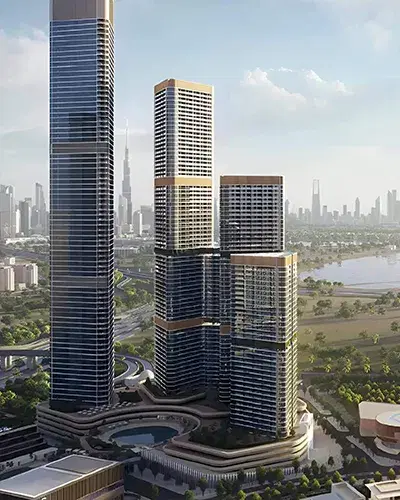
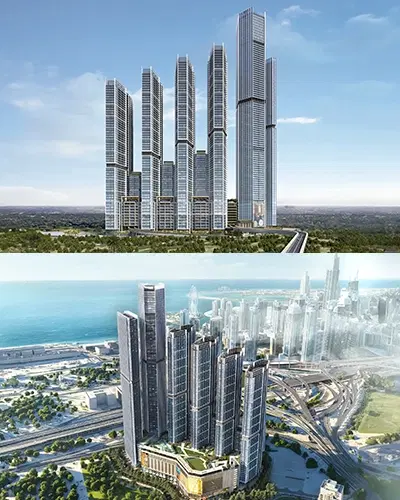
In Dubai, Sobha Hartland (8 million sqft, USD 4 billion value) delivered Phase 1 on time in 2018, validating the developer's international execution capability. District One in Mohammed Bin Rashid City spans 445 hectares at USD 8 billion valuation. These are completed, occupied, and stabilising assets, not renderings.
The data shows Sobha's track record is independently verifiable in a way most private Dubai developers' records are not. Match the product to the goal: if execution risk is your primary concern, Sobha sits in the lowest-risk tier of Dubai developers. Read this before you sign with anyone else.