Know About Dubai 2026 | Essential Guide for Visitors & Residents

Know About Dubai 2026 | Essential Guide for Visitors & Residents

  • Written byKapil Makhijani,Senior Property Advisor
  • Must know
  • Reviewed by Vikas Taneja, RERA Certified Broker, BRN 82127
  • Updated: 06 Oct 2026
  • 14 min read
Add us as aPreferred Source

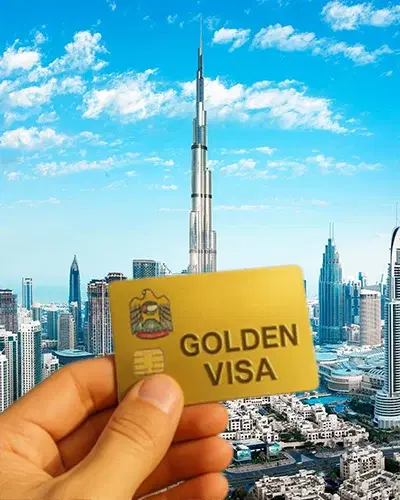
Dubai's resident population crossed 4.8 million in September 2026, making it the UAE's most populated emirate, with expats accounting for roughly 92% of residents. The average monthly salary is AED 17,500, while a single person's cost of living runs to approximately AED 14,750 per month including rent. Foreign nationals can buy freehold property in over 60 designated zones, and a 10-year Golden Visa requires a minimum investment of AED 2 million — with the mortgage equity rule abolished in February 2026. If you are visiting for a week or relocating permanently, the rules here are specific. Read this before you sign.

The questions people search about Dubai tell a clear story: is it safe? Can I drink? Can I buy property? Can I actually make money there? The answers are yes to most of them - but each comes with one condition that changes everything. A city that has zero income tax at the personal level, but mandates health insurance for every resident. A place where alcohol is freely available in hotels and licensed venues, but drinking in the street is a criminal offence. Dubai works well when you know exactly what the rules are going in.

In over 6 years advising clients on Dubai property at Honey Money Real Estates, I have seen people make expensive mistakes that a single verified fact would have prevented. An Indian family who did not know that buying any freehold property as a sole owner now qualifies for a 2-year investor visa, with no minimum price — a rule that changed in April 2026. A buyer who nearly committed AED 800,000 to a leasehold unit, not realising leasehold does not qualify for the Golden Visa. This guide is built around those real questions.

Every figure here is sourced from the Dubai Land Department, Dubai Data and Statistics Establishment, UAE Government portals, Property Finder published data, Mercer's Cost of Living 2025 Index and verified salary benchmarks published for 2026. If a number could not be confirmed, it is not in this guide. Read this before you sign.

1. Dubai in Numbers: Population, Language, Tax and Climate

Dubai is one of 7 emirates in the United Arab Emirates. It is not a country. The UAE capital is Abu Dhabi, but Dubai is the commercial and population centre. If someone says they work 'in the UAE', they almost certainly mean Dubai.

Fact

Data (2026)

Country

United Arab Emirates (UAE)

Population — Dubai (Sep 2026)

4.807 million

Expat share of population

Approx. 92%

Emirati nationals

Approx. 8%

Official language

Arabic; English is the primary working language

Currency

UAE Dirham (AED); 1 USD = AED 3.67 (fixed rate)

Religion

Islam (state religion); other faiths practised freely

Personal income tax

0%

VAT

5% on most goods and services

Best weather months

October to April (18°C – 30°C)

Hottest month

August - temperatures regularly reach 42°C–45°C

Sources: Dubai Data and Statistics Establishment (Digital Dubai), Sep 2026; Gulf News, Sep 2026; UAE Federal Tax Authority.

2. Dubai Visa Rules 2026: Who Can Enter and for How Long

Visa requirements for Dubai vary by nationality. Citizens of GCC states enter without a visa. Citizens of most Western countries, India, the UK, the US and most of the EU either receive a visa on arrival or can apply for a pre-arranged tourist visa. The rules below cover the most common visa types in 2026.

Visa Types Available to Tourists and Investors

Visa Type

Duration

Key Condition

On-arrival (eligible nationalities)

30 days, renewable once

Passport valid 6+ months from entry

Pre-arranged tourist visa

30 or 60 days

Via airline, hotel or registered agent

Multi-entry tourist visa

5 years, 90 days per visit

Select nationalities only

Investor visa — sole owner, any freehold property

2 years, renewable

No minimum property value since April 2026

Golden Visa — property route

10 years

AED 2 million minimum in freehold zone

Sources: UAE Government portal (icp.gov.ae); General Directorate of Residency and Foreigners Affairs (GDRFA); DLD, 2026.

The 2026 Investor Visa Change Most People Have Missed

Since April 2026, any sole owner who purchases a freehold property in Dubai qualifies for a 2-year renewable investor visa — regardless of how much the property costs. The old AED 750,000 minimum was removed. For joint buyers, each owner must hold a share worth at least AED 400,000 to qualify individually. This single rule change opens the visa route to buyers in communities like Jumeirah Village Circle and International City, where 1-bedroom apartments sell from AED 500,000 upward.

3. Cost of Living in Dubai 2026: What You Will Actually Spend

Dubai is the most expensive city in the Middle East. In Mercer's 2025 Cost of Living Index it ranks 15th globally — on the same tier as Singapore and London. Rent is the largest single expense and has risen sharply since 2022 as the population has grown. The figures below are drawn from published 2025–2026 market data.

Monthly Costs by Household Type

Expense

Single Person (AED/month)

Family of 4 (AED/month)

1BR apartment — mid-range area (JVC, Al Barsha, Silicon Oasis)

7,500 – 10,000

—

2–3BR apartment — mid-range area

—

12,000 – 18,000

DEWA utilities (electricity + water)

300 – 600

600 – 1,200

Groceries

1,000 – 1,800

2,500 – 4,000

Public transport (metro + bus NOL card)

300 – 500

300 – 500

Private car (fuel + insurance + salik tolls)

1,200 – 2,000

1,200 – 2,000

Mandatory health insurance

500 – 1,500

2,000 – 5,000

International school fees (per child/month)

—

2,000 – 5,500

Sources: Mercer Cost of Living Survey 2025; DEWA; Property Finder rental data, 2026; Knowledge and Human Development Authority (KHDA) for school fee ranges.

What Salary Do You Actually Need?

The average monthly salary in Dubai is AED 17,500 in 2026 — a 4% increase year on year. For a single professional renting in a mid-range area, a take-home of AED 12,000–15,000 is the practical floor. For a family of 4 with 2 children in international school, the combined household income needs to be at least AED 38,000–42,000 per month. The 0% income tax means gross salary equals take-home — factor this when comparing to UK, US or Indian salaries where 25%–35% goes in tax before the money reaches your account.

One Cost Most Guides Leave Out: the Salik Toll

Dubai has a congestion toll system called Salik. Every time you pass a toll gate — and the main routes through the city have multiple gates — AED 4 is deducted automatically. For a car commuter on a daily route that crosses 2 gates in each direction, that is AED 3,200 per year in tolls alone. It is not a large number, but it consistently surprises new residents who did not plan for it.

4. Dubai Rules for Visitors: Alcohol, Dress Code and Public Conduct

Dubai has a reputation for strict rules. The reality is more measured. The rules that affect tourists most are specific and mostly predictable — stick to licensed venues, dress modestly in public, and keep physical contact private. The ones that catch people off-guard are the ones nobody warns them about before they land.

Alcohol: What You Can and Cannot Do

Alcohol is served at licensed hotels, clubs and specific restaurants. Since 2020, drinking without a personal alcohol licence is no longer illegal under UAE federal law. The 30% municipality surcharge on alcohol was removed, bringing retail prices down. Tourists can buy from licensed off-licence stores — the two main chains are MMI (Maritime and Mercantile International) and African + Eastern. Do not drink anywhere that is not a licensed venue. Being visibly drunk in public — the street, the metro, a park — is an offence. During Ramadan, eating, drinking or smoking in public spaces during daylight hours is prohibited for everyone, regardless of nationality or religion.

Dress Code: What Is Enforced and What Is Not

There is no statutory dress code law specifically for tourists, but modesty in public spaces is expected — clothing should cover shoulders and knees in malls, markets, government buildings and residential streets. At hotels, beach clubs and the Marina waterfront, swimwear and shorts are completely normal. The working rule: dress for the venue. What is acceptable at JBR beach is not acceptable at Deira Gold Souk or a government service centre.

Public Conduct Rules That Get Tourists Into Trouble

Swearing — including in text messages and social media posts — is a criminal offence in Dubai and has resulted in deportation and fines. Public displays of affection beyond holding hands are not permitted. Photographing people, especially women, without their consent is an offence. Drug possession, including trace amounts found on clothing or luggage, is treated as a serious criminal matter — some medications that are legal in the UK, US or India are controlled substances in the UAE, so check the MOHAP (Ministry of Health and Prevention) approved medicines list before travelling.

5. Can Foreigners Buy Property in Dubai: Freehold Zones Explained

Yes — but only in specific areas. Foreign nationals, including non-residents, can buy freehold property in Dubai in zones designated by the Dubai Land Department. The designation system has been in place since 2002 and covers over 60 areas today.

Designated Freehold Areas in Dubai

The most active freehold zones for buyers and investors in 2026 include: Downtown Dubai, Dubai Marina, Business Bay, Palm Jumeirah, Jumeirah Village Circle (JVC), Dubai Hills Estate, Dubai South, Creek Harbour, JLT (Jumeirah Lake Towers), Al Barsha, Dubai Sports City and Meydan. Outside these zones, foreign buyers can only take leasehold rights — typically 99-year terms — which do not carry full ownership and do not qualify for any Dubai residency visa route.

What Freehold Actually Means in Dubai

Freehold in Dubai means full ownership of the unit and a proportional share of the common areas. It is permanent and transferable. There is no restriction on renting it out or selling it. For the Golden Visa property route, only freehold in a DLD-designated zone qualifies — leasehold does not, regardless of the price paid.

Purchase Costs to Budget For

Cost Item

Rate

DLD transfer fee

4% of property value

DLD admin fee (apartments)

AED 580

DLD admin fee (land / villa)

AED 430

Brokerage fee (market standard)

2% of property value

Mortgage registration fee (if financed)

0.25% of loan amount

Annual service charge (building maintenance)

AED 10 – AED 35 per sq ft (Mollak Verified)

DLD title deed issuance fee

AED 250

Sources: DLD records; Mollak service charge registry; RERA, 2026.

On a AED 1.5 million apartment purchase, the one-time transaction costs (DLD fee + admin + agency) come to approximately AED 93,580. Factor this into your budget before signing an MOU.

6. Dubai Golden Visa 2026: Property Route and Rule Changes

The UAE Golden Visa is a 10-year self-sponsored residency visa. It allows the holder to live, work and invest in the UAE without a local employer or sponsor. The property route requires an investment of at least AED 2 million in freehold property in a DLD-designated zone. Two rule changes in early 2026 made this route significantly more accessible.

What Changed in 2026

First: the minimum paid equity requirement for mortgaged properties was removed in February 2026. Previously, buyers on a mortgage needed to have paid at least 50% of the property value (or AED 1 million, whichever is lower) before applying. That condition no longer exists. Second: off-plan properties now count toward the AED 2 million threshold. A buyer who has committed AED 2 million to an off-plan project that is still under construction can apply. Multiple properties can be combined to meet the threshold — a AED 1.3 million unit and a AED 700,000 unit together qualify.

Golden Visa vs 2-Year Investor Visa: Side by Side

Feature

10-Year Golden Visa

2-Year Investor Visa

Minimum property value

AED 2,000,000

No minimum (sole owner)

Freehold zone required

Yes

Yes

Off-plan accepted

Yes (from Feb 2026)

Yes

Mortgaged property accepted

Yes — no equity minimum now

Yes

Duration

10 years

2 years, renewable

Family sponsorship

Spouse + children under 18

Spouse + children under 18

Minimum stay required

None

None

DLD lien on property

Yes — for full 10-year term

No

Sources: UAE Government portal (icp.gov.ae); GDRFA; DLD, 2026; bhomes.com DLD announcement, April 2026.

The Lien Condition Most Buyers Do Not Know About

When a Golden Visa is granted through the property route, the DLD places a lien on the qualifying property for the full 10-year visa period. This means the property cannot be sold or transferred without first addressing the visa status and releasing the lien. If your plan is to sell within the decade, the Golden Visa property choice needs to account for this from day one.

7. Working in Dubai: Jobs, Salaries and Sectors in Demand

Dubai's job market in 2026 is active but competitive. The population is 92% expatriate, which means the talent pool is large. Average monthly salary across all sectors is AED 17,500 (AED 210,000 per year), with take-home equal to gross because there is no personal income tax. Salary growth has broadly flattened at mid-level roles while costs — particularly rent — have risen, according to Cooper Fitch's UAE Salary Guide 2025.

High-Demand Sectors in Dubai 2026

Sector

Notes

Technology and IT

Highest hiring demand — software development, AI, cybersecurity, fintech

Finance and banking

DIFC remains the regional finance hub; strong hiring in compliance and risk

Healthcare

Sustained demand from population growth and medical tourism expansion

Tourism and hospitality

Tourism is the primary GDP contributor; large and stable employment base

Real estate

Active market; RERA-licensed broker roles consistently in demand

Energy and sustainability

Growing segment tied to UAE's Net Zero 2050 commitments

Sources: Cooper Fitch UAE Salary Guide 2025; UAE Ministry of Human Resources and Emiratisation (MOHRE), 2026.

What Employers Must Provide by Law

Every employer in Dubai must provide health insurance to employees — this is a legal requirement under Dubai Health Authority (DHA) rules. The employer covers the premium. For self-employed professionals, freelancers or business owners, health insurance is a mandatory personal cost — factor AED 500–1,500 per month depending on the plan. End-of-service gratuity (a statutory payout equivalent to 21 days' salary for each year of the first 5 years of service, and 30 days' salary per year after that) is also legally required and replaces the pension contributions that exist in most other markets.

About the Figures in This Guide

All data is sourced from the Dubai Land Department, Dubai Data and Statistics Establishment (Digital Dubai), UAE Government portals including icp.gov.ae and mohre.gov.ae, Mercer's Cost of Living Survey 2025, Property Finder published data, Cooper Fitch UAE Salary Guide 2025, and official GDRFA communications regarding visa rule changes effective 2026.

Population figures are drawn from the Dubai Population Clock operated by the Dubai Data and Statistics Establishment, as reported by Gulf News and Khaleej Times in September 2026. Rental cost ranges are based on Property Finder published listing data for 2025–2026. Service charge figures are based on Mollak-verified records and vary between individual buildings.

Property purchase costs, visa thresholds and Golden Visa eligibility rules are subject to change by DLD and UAE federal authorities. Verify current eligibility directly with a RERA-registered broker or the relevant UAE government portal before making any financial commitment.

Thinking About Investing in Dubai Property?

Frequently Asked Questions

What Salary Do You Actually Need?

The average monthly salary in Dubai is AED 17,500 in 2026 — a 4% increase year on year. For a single professional renting in a mid-range area, a take-home of AED 12,000–15,000 is the practical floor. For a family of 4 with 2 children in international school, the combined household income needs to be at least AED 38,000–42,000 per month. The 0% income tax means gross salary equals take-home — factor this when comparing to UK, US or Indian salaries where 25%–35% goes in tax before the money reaches your account.

What is the current population of Dubai in 2026?

Dubai's resident population crossed 4.8 million in September 2026, reaching 4,807,185 according to the Dubai Data and Statistics Establishment, part of Digital Dubai. This figure counts people who usually live in the emirate for at least 6 months. The daytime population is significantly higher — around 6.39 million — when commuters, tourists and day visitors are included. The emirate added over 226,000 new residents in the first 9 months of 2026 alone, making it one of the fastest-growing large cities globally. Expats account for approximately 92% of the resident population; Emirati nationals make up the remaining 8%.

Can foreigners buy property anywhere in Dubai?

No. Foreign nationals can only buy freehold property in areas specifically designated by the Dubai Land Department. Over 60 such zones exist in 2026, covering most major investment communities: Downtown Dubai, Dubai Marina, Business Bay, Palm Jumeirah, JVC, Dubai Hills Estate, Dubai South and Creek Harbour, among others. Outside those zones, foreign buyers can only take leasehold rights — typically 99-year terms — which do not transfer full ownership and do not qualify for any UAE residency visa route. Before committing to a purchase, confirm via the DLD that the specific plot and building are within a freehold-designated zone. This is a non-negotiable check, not a formality.

How has the Golden Visa changed for property buyers in 2026?

Two changes took effect in early 2026. From February 2026, the minimum paid equity requirement for mortgaged properties was abolished — buyers no longer need to have paid 50% of the property value before applying. Off-plan properties also now count toward the AED 2 million threshold. The AED 2 million floor itself has not changed. Multiple properties can be combined to meet it, and joint buyers each need to hold a share worth at least AED 400,000 to qualify individually. One condition that has not changed: the DLD places a lien on the qualifying property for the full 10-year visa term. The property cannot be sold without first handling the visa status. If resale within 10 years is part of the plan, get specific legal advice on the lien release process before committing.

What are the actual rules around alcohol in Dubai?

Alcohol is available in Dubai — at licensed hotels, restaurants, beach clubs and retail stores. The 30% municipality surcharge on alcohol was removed, so retail prices have come down. Tourists can buy from licensed off-licence stores (MMI and African + Eastern are the two main chains) without a personal alcohol licence; that requirement was abolished under UAE federal law in 2020. The restrictions that still apply firmly: do not drink in public spaces (streets, parks, beaches outside licensed clubs, the metro, government buildings). Being visibly drunk in public is a criminal offence. During Ramadan, eating, drinking or smoking in public during daylight hours is prohibited for everyone — not just Muslims.

What is the minimum salary needed to live comfortably in Dubai?

For a single professional renting in a mid-range area, the practical floor is AED 12,000–15,000 per month take-home. The average salary across all sectors is AED 17,500 in 2026. For a family of 4 with 2 children in international school, the combined household income needs to be at least AED 38,000–42,000 per month to cover rent, school fees, health insurance, utilities, groceries and transport without financial stress. The 0% personal income tax makes the real purchasing power of Dubai salaries better than the equivalent gross figure in most Western markets — but health insurance is a self-funded cost for the self-employed, and rent has risen sharply since 2022 as the population has grown.
Kapil Makhijani
Kapil Makhijani
Senior Property Advisor

Kapil Makhijani is a Senior Property Advisor at Honey Money Real Estates (ORN: 28658), with over 6 years specialising in Dubai residential investment and NRI portfolio strategy. His background in... Read More

Share Our Post