Shopping Hubs in Dubai
Dubai has more retail floor space per resident than almost any city on earth, and that isn't just a tourism statistic - it shapes where people choose to live. A mall within walking distance changes a community's rental appeal, its weekend traffic and, over time, its resale pricing. This section maps Dubai's shopping hubs by district, covers the souks and neighbourhood retail that the mall lists usually skip, and looks at what proximity to each actually means if you're buying or renting nearby.
Downtown Dubai - The Dubai Mall The anchor of Dubai retail and one of the most visited buildings in the world, with the aquarium, ice rink and fountain alongside the shopping. For residents of Downtown, Business Bay and Burj Khalifa-district towers, it functions as a neighbourhood mall - which is part of why those addresses hold a rental premium and also why weekend traffic in the area is what it is.
Al Barsha - Mall of the Emirates Home to Ski Dubai and a strong mid-to-premium mix, with direct metro access. It serves Al Barsha, Umm Suqeim, Barsha Heights and the Marina corridor, and its metro link makes it reachable without a car from a wide stretch of the Sheikh Zayed Road communities.
Dubai Hills - Dubai Hills Mall A newer addition and a good example of retail arriving after residential. Its opening measurably improved the day-to-day proposition of Dubai Hills Estate and the surrounding villa communities, which had strong housing but limited nearby retail before it.
Marina, JBR and the Palm Dubai Marina Mall, The Beach at JBR and Nakheel Mall on Palm Jumeirah serve the waterfront corridor. Smaller than the giants but walkable, which for this demographic matters more than square footage.
Deira and Bur Dubai - the traditional core Deira City Centre and BurJuman anchor the older districts, alongside the Gold Souk, Spice Souk and Textile Souk across the creek. This is Dubai's most affordable residential belt and its retail reflects that - practical, dense and genuinely useful daily rather than destination shopping.
Festival City, Ibn Battuta and Nakheel's community malls Dubai Festival City Mall serves the creek-side communities; Ibn Battuta covers the Jebel Ali and Discovery Gardens end of the city; and Nakheel's smaller community malls fill in across JVC, Al Furjan and the newer suburbs - often the deciding amenity in a community's early years.
Open-air and lifestyle retail City Walk, Boxpark, La Mer, Souk Madinat Jumeirah and Global Village during the winter season offer the outdoor alternative, concentrated in the cooler months.
This is the part the mall roundups leave out.
- Walkable retail commands a premium, and a real one. Communities where residents can reach a mall or a supermarket cluster on foot rent faster and sit vacant less. In a city where most errands otherwise require a car and a summer where they definitely do, that convenience is priced in.
- A confirmed retail pipeline is a leading indicator. Communities announced with a mall that hasn't been built yet trade at a discount to their eventual value. If a Nakheel or Emaar community mall is scheduled and credibly funded, that's a factor in your entry timing - the same logic that applies to metro extensions.
- There is such a thing as too close. Directly adjacent to a major mall means weekend congestion, event traffic and, in some towers, a genuine noise and access trade-off. The premium tends to peak at a five-to-ten-minute walk rather than at the property line.
- Community malls beat destination malls for daily living. Buyers frequently overvalue proximity to The Dubai Mall and undervalue having a decent Carrefour, clinic and café cluster within the community itself. The second one is what you use four times a week.
Dubai's retail calendar is genuinely seasonal. The Dubai Shopping Festival runs across the December–January peak with citywide discounting; Dubai Summer Surprises covers the July–August low season, when malls become the default social venue; Ramadan brings extended late-night trading hours; and Global Village operates only through the cooler months, roughly October to April. If you're new to the city, these dictate both when things are cheapest and when the roads around the major malls are worst.
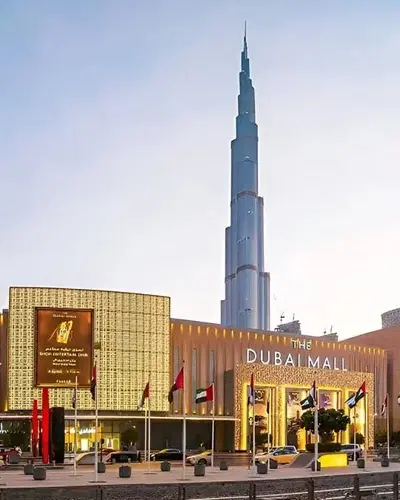

Popular Shopping Hubs In Dubai
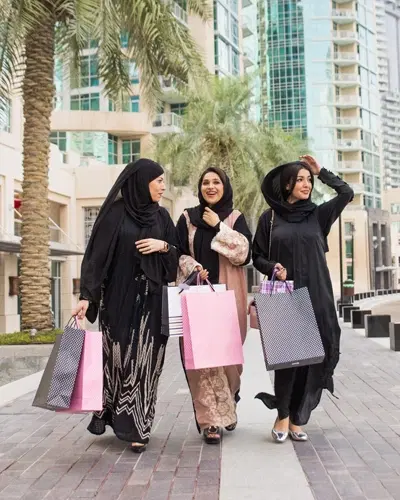
The Shopping Experience In Dubai
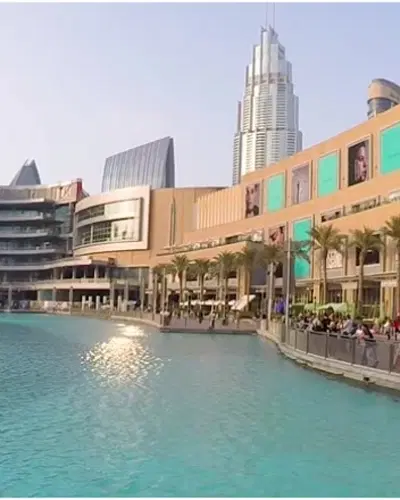
Top 10 Shopping Malls in Dubai – What you would like to shop there!
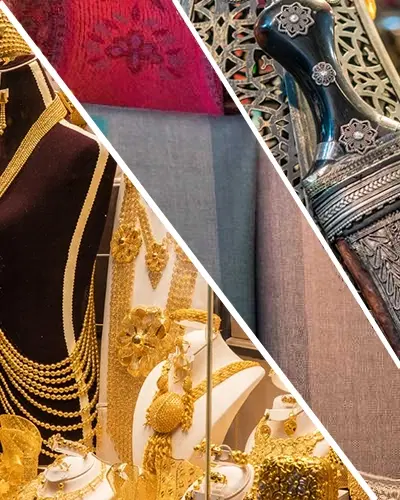
Best Things To Buy In Dubai - Get A Tax Free Shopping Experience
Frequently Asked Questions
The Dubai Mall in Downtown Dubai is the largest by total area and among the most visited retail destinations globally, combining shopping with the aquarium, ice rink and access to the Burj Khalifa and fountain.
Downtown Dubai and parts of Business Bay for The Dubai Mall; Al Barsha for Mall of the Emirates; Dubai Hills Estate for Dubai Hills Mall; Dubai Marina for Marina Mall; and Palm Jumeirah for Nakheel Mall. Several newer communities including JVC and Al Furjan have community malls within the district itself.
Walkable access to retail generally supports stronger rental demand and shorter void periods, which feeds into resale. The effect is strongest at a short walk rather than immediately adjacent, where weekend traffic and congestion can offset the benefit.
The Dubai Shopping Festival across December and January is the main discounting period, with Dubai Summer Surprises through July and August offering the second. Ramadan brings extended trading hours and additional promotions.
The Gold Souk, Spice Souk and Perfume Souk are in Deira, with the Textile Souk across the creek in Bur Dubai - reachable by abra. Souk Madinat Jumeirah in Umm Suqeim offers a modern, air-conditioned version of the format.
Yes, and typically with extended late-night hours. Food courts and restaurants adjust their service during daylight fasting hours, with trading peaking after iftar.
Not for all of them. Mall of the Emirates, Ibn Battuta, Deira City Centre and BurJuman have direct metro access, and Dubai Mall connects via Burj Khalifa/Dubai Mall station with a link walkway. Community malls in outer suburbs generally require a car.