Updated: 12 August 2026|Written by Kapil Makhijani|Senior Property Advisor

Citizen Services in Dubai

Dubai runs most of its administration through apps, and it works well once you know which one does what. The difficulty for new residents and overseas buyers isn't difficulty - it's sequencing. You can't connect DEWA without Ejari, can't register Ejari without a signed tenancy contract, and can't do much of anything without an Emirates ID. This section covers the practical order of operations: the services you'll actually need, which platform handles each, and what documents to have ready before you start.

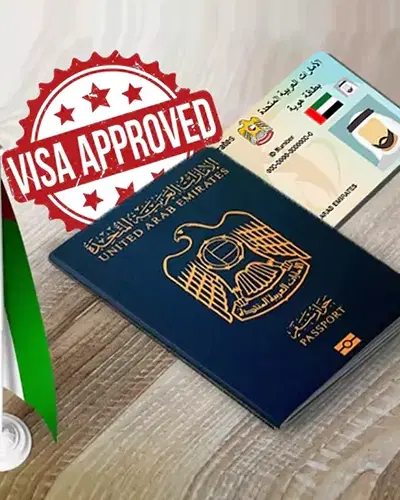
Residency & Emirates ID Your residency visa and Emirates ID are the foundation everything else sits on -bank accounts, tenancy registration, utility connections, school enrolment. Applications run through the ICP for the federal side and GDRFA Dubai for emirate-level processing. Start with our guide to UAE residency visas, Golden Visas and travel visas.

Tenancy Registration: Ejari Ejari is the Dubai Land Department's mandatory registration system for tenancy contracts. It isn't optional paperwork -you need an active Ejari certificate to connect DEWA, to sponsor dependants' visas, and to bring a case to the Rental Disputes Centre. An unregistered tenancy leaves a tenant with far less protection than they assume.

Utilities: DEWA and District Cooling DEWA handles electricity and water; many newer communities bill chilled water separately through a district cooling provider such as Empower or Emicool. Connection requires Ejari or a title deed plus Emirates ID, and involves a refundable security deposit. Setting up cooling and DEWA are two separate transactions in a lot of buildings, which catches people out in their first summer.

Property Records: Dubai REST and the DLD The Dubai REST app is where owners access title deeds, Ejari records, service charge statements and owners' association information. For off-plan, units are registered through Oqood before handover rather than issued a title deed. Property transfers themselves complete at a DLD-approved registration trustee office, not at the developer's sales centre.

Powers of Attorney & Notarisation Buying or selling remotely runs on a properly notarised power of attorney. Documents executed outside the UAE typically need attestation and legalisation in the country of origin, then at the UAE embassy, then translation by a legal translator and attestation locally. The sequence matters, and getting it wrong usually means starting again.

Everyday Services The Dubai Now app consolidates a wide range of payments and requests -DEWA bills, Salik top-ups, fines, and more. Makani is Dubai's addressing system, and the ten-digit Makani number on your building is the most reliable way to direct a delivery or an ambulance in a city where street addresses are often approximate.

For new arrivals, the sequence is the whole battle. Roughly:

  • Entry permit and medical. Your employer or sponsor initiates the residency application; the medical screening follows.
  • Emirates ID and visa stamping. Biometrics are captured, and the card follows. Almost everything downstream waits on this.
  • Tenancy contract, then Ejari. Sign the lease, then register it. Landlords sometimes handle Ejari; confirm rather than assume, and get the certificate copy yourself.
  • DEWA, then cooling. Ejari plus Emirates ID plus deposit. Then separately arrange district cooling if your community uses it.
  • Bank account, then everything else. Salary transfers, Salik, internet, school registration.

For buyers, the order differs: MoU and deposit, then developer NOC, then transfer at a trustee office, then title deed, then DEWA in your own name, then Ejari once you have a tenant.

Three things worth knowing before you start.

  • You don't need residency to buy. Freehold purchase by non-residents is straightforward, and title registers in your own name at the DLD.
  • Remote purchase runs on the POA. Get it drafted to cover everything you'll need -signing, transfer, DEWA, Ejari, and any subsequent sale -because a POA too narrowly drafted means repeating the whole legalisation process later.
  • Residency follows the purchase, not the other way round. If the visa is your objective, confirm current value thresholds with the ICP before committing, since they're set by the authorities and revised periodically.

No posts available in this category. Please check back soon.

Frequently Asked Questions

Ejari is the Dubai Land Department's tenancy contract registration system, and registration is mandatory. You need an active Ejari certificate to connect DEWA, sponsor dependants' visas and access the Rental Disputes Centre. Either landlord or tenant can register it, but the tenant should always obtain a copy.

Typically an Ejari certificate or title deed, your Emirates ID or passport, and payment of a refundable security deposit, with the amount differing between apartments and villas. Applications can be made through the DEWA app or website. If your community uses district cooling, that's a separate account with a separate provider.

The residency process is initiated by your employer or sponsor, followed by a medical screening and biometric capture. The card is issued by the ICP. Most subsequent services -banking, tenancy registration, utilities -depend on having it, so it's the first milestone to clear.

Title deeds are held by the Dubai Land Department and accessible digitally through the Dubai REST app, which also shows Ejari records, service charge statements and owners' association details. Off-plan units are registered via Oqood until handover, when the title deed is issued.

Yes, using a properly notarised and legalised power of attorney. Documents executed abroad generally require attestation in the country of origin, legalisation at the UAE embassy, then legal translation and local attestation. Have the POA drafted broadly enough to cover transfer, utilities and any later sale.

It's the Dubai Land Department's platform for property owners and tenants -title deeds, Ejari, service charge information, owners' association records and various DLD service requests, in one place.

At a DLD-approved registration trustee office, not at the developer's sales office. The trustee verifies documents, processes fees and issues the new title deed.